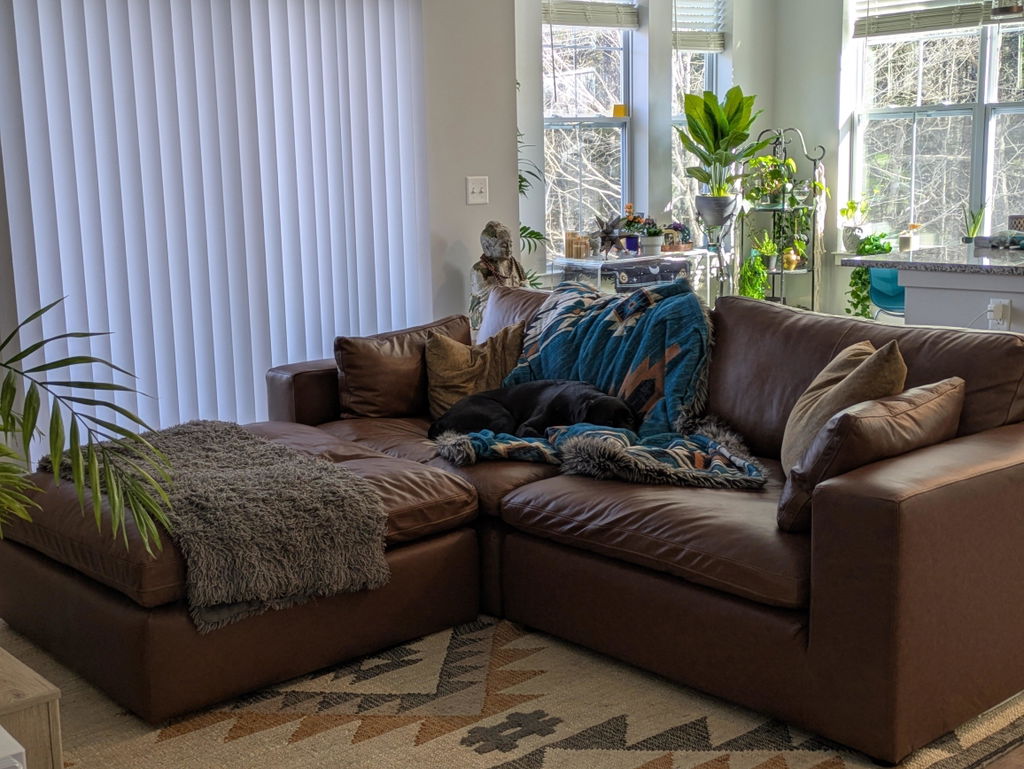

A sofa that looks great on move-in day can feel like a mistake six months later. Maybe your layout changed, you added a coffee table, the kids claimed one corner, or you realized your “perfect” couch only works from one angle. That is exactly why so many shoppers ask, is modular seating worth it? For a lot of homes, the answer is yes - but only if you want flexibility as much as you want style.
Modular seating is built from separate pieces, or modules, that connect to create one larger setup. Instead of buying one fixed sofa or sectional, you choose components like armless chairs, corner units, ottomans, and chaises, then arrange them to fit your room. That sounds simple, but the real value is in how well it adapts to everyday life.
Is modular seating worth it for most households?
If your home changes often, modular seating can be one of the smartest furniture buys you make. It gives you options without asking you to replace the whole room every time your needs shift. Apartment dwellers can rework a small living area. Growing families can expand seating over time. Homeowners with open floor plans can use modular pieces to define space without locking themselves into one rigid footprint.
That said, modular seating is not automatically better than a traditional sofa. If you have a stable layout, a smaller budget, and no interest in rearranging furniture, a standard couch may be the more practical choice. The value of modular really comes from use. The more you benefit from reconfiguration, the more worth it becomes.
Why modular seating appeals to real-life homes
The biggest advantage is flexibility. Life at home is rarely static. People move, add pets, have kids, host guests, start working from home, or simply get tired of the same layout. A modular setup lets you respond without starting from scratch.
There is also a comfort angle that matters. Many modular collections are built with lounging in mind, especially deeper seats, oversized cushions, and cloud-style silhouettes. That makes them attractive to shoppers who want a living room that feels casual, inviting, and easy to sink into after a long day.
For style-conscious buyers, modular seating also helps create a more custom look. You can build around the shape of your room instead of forcing your room to work around a pre-set sectional. In practical terms, that often means a cleaner fit, better flow, and a living space that looks more intentional.
Where modular seating delivers the most value
The homes that benefit most from modular seating usually have one thing in common: changing needs. Renters are a strong example. If you are likely to move within a few years, separate pieces are often easier to carry, fit through doorways, and adapt to a new floor plan.
Families also get a lot out of modular layouts. One setup can work for movie nights, weekend lounging, and extra seating when friends come over. If one part gets more wear than the rest, replacing or rotating pieces can be easier than replacing an entire sofa.
Modular seating also shines in awkward rooms. Maybe you have a narrow apartment, a large open-concept living area, or a den that needs to do double duty as a family room and guest hangout. Modular pieces give you more control over scale and shape, which can help you use every square foot better.
The trade-offs to know before you buy
The biggest drawback is price. Modular seating can cost more upfront than a fixed sofa, especially if you are building a larger arrangement. You are paying for flexibility, multiple components, and often a more design-forward construction. For many shoppers, that premium is worth it. For others, it may make more sense to spend less on a classic sectional if they know they will never change the setup.
Connection stability is another consideration. Not all modular furniture stays perfectly in place. Lower-quality pieces can drift apart, especially on hard floors or in busy households. Good connectors, balanced construction, and substantial weight make a real difference here.
There is also the question of visual cohesion. A modular sofa should look intentional, not pieced together in a way that feels temporary. Well-designed collections solve this with consistent proportions, supportive cushions, and clean lines. Poorly designed ones can look bulky or uneven. That is why product quality matters just as much as the modular concept itself.
Is modular seating worth it in small spaces?
Yes, often more than people expect. Small-space shoppers sometimes assume modular seating is only for oversized living rooms, but that is not the case. A thoughtfully sized modular setup can work beautifully in apartments, condos, and compact family rooms.
The key is choosing the right scale. In a smaller room, modular seating works best when each piece earns its spot. You may only need two or three components rather than a full sprawling sectional. A corner piece with one or two seats and a movable ottoman can give you flexibility without overwhelming the room.
Another benefit in smaller homes is delivery and setup. Separate pieces are typically easier to bring upstairs, around tight corners, or through narrow entryways. That alone can make modular seating a better fit than a one-piece sofa that creates moving-day stress.
How to tell if modular seating is actually a smart buy
Start with your room, not the trend. Measure carefully and think about how you really use the space. Do you host often? Do you stretch out to watch TV? Do you need room for kids, pets, or overnight guests? A beautiful modular sofa is only worth it if it supports the way you live.
Then think about how long you want the piece to last in your home. If you are furnishing a starter apartment and expect to move, flexibility is a major plus. If you are designing a forever home and have a layout you love, modular may still be a strong choice, but mainly if comfort and customization are priorities.
You should also look closely at construction details. Check seat depth, cushion fill, frame materials, and how the modules connect. Performance fabric is worth considering if your sofa is going into a busy household. The best modular seating does not just rearrange well - it also holds up well.
What makes modular seating feel worth the money
When shoppers feel happy with modular seating long term, it usually comes down to three things: comfort, adaptability, and visual payoff. Comfort matters because this is still the centerpiece of your living room. Adaptability matters because it gives the piece a longer useful life. Visual payoff matters because furniture should make your home feel pulled together, not purely functional.
That combination is where modular really earns its place. Instead of buying one sofa for one moment in time, you are buying a seating system that can evolve with your room and routine. For many households, that means fewer compromises and more satisfaction over the long run.
A retailer that offers a strong mix of styles, clear pricing, and convenient delivery options can also make the investment feel more manageable. For example, shoppers browsing modern sectionals and cloud-inspired modular pieces at Dreamee Home often want that balance of comfort, style, and accessible pricing rather than a showroom-only experience.
When modular seating may not be worth it
If you prefer a formal living room with a more tailored look, modular seating may not always be the best match. Many modular designs lean relaxed, casual, and lounge-forward. That is great for everyday comfort, but not everyone wants that softer aesthetic.
It may also be less worth it if your budget is very tight and your room needs are simple. A well-priced standard sofa can still deliver great comfort and style. If you do not need to expand, rearrange, or move often, modular may be more feature than function.
The honest answer is that modular seating is not a universal upgrade. It is a practical one for the right shopper.
Final answer: is modular seating worth it?
Yes - if you want a living room that can keep up with real life. Modular seating is worth it for shoppers who value flexibility, comfort, and a layout that can change over time without losing its style. It is especially appealing for renters, families, and anyone furnishing a space that needs to work hard every day.
If your needs are simple and fixed, a traditional sofa may be enough. But if you want furniture that gives you more ways to live in your space, modular seating can feel less like a splurge and more like a smart upgrade that keeps paying off every time your home changes.