
A living room can look great in a photo and still feel awkward the minute real life starts happening. The TV sits too high, the sofa blocks the walkway, nobody can reach the coffee table, and the room somehow feels both crowded and unfinished. A good living room layout guide fixes that fast by helping you plan around how you actually live, not just how a room looks online.
Start with the room, not the furniture
Most layout mistakes happen before a single piece is delivered. People shop for a sofa they love, then try to force the room to work around it. The better move is to start with the room itself - its size, shape, windows, doors, traffic paths, and focal point.
Stand in the space and notice how people move through it. Is this room a pass-through to the kitchen or hallway? Does the main wall belong to a TV, a fireplace, or a large window? Is the room narrow, open-concept, square, or oversized? Those details matter because the right layout for a city apartment is not the same as the right layout for a family room that handles movie nights, playtime, and guests.
Before you buy anything, measure the room and mark where the walkways need to stay open. In most homes, the layout works best when people can move naturally without weaving around every piece.
The best living room layout guide starts with function
A stylish room still has to earn its keep. That means your layout should reflect the room's main job. For some homes, that job is lounging and streaming. For others, it's conversation, entertaining, or giving the family one place to gather at the end of the day.
If TV watching is the priority, anchor seating toward the screen and keep sightlines clear from more than one seat. If conversation matters more, arrange seating to face each other instead of lining everything up against the walls. If the room has to do both, a sectional paired with one or two accent chairs often gives you the most flexibility.
This is where trade-offs come in. A large cloud-style sectional can create incredible comfort and fill a room beautifully, but in a smaller space it may limit traffic flow or leave no room for side tables. A slimmer sofa with separate chairs may not feel as lounge-heavy, but it can make a compact room work much harder.
Pick an anchor piece that fits the scale
Every strong living room layout starts with one main furniture piece. Usually that's the sofa or sectional. It sets the room's tone, size balance, and seating capacity.
In a small apartment or condo, a standard sofa or apartment-size sectional can make more sense than trying to squeeze in a bulky silhouette. You want enough seating, but you also want breathing room. If the room feels cramped, even expensive furniture can look off.
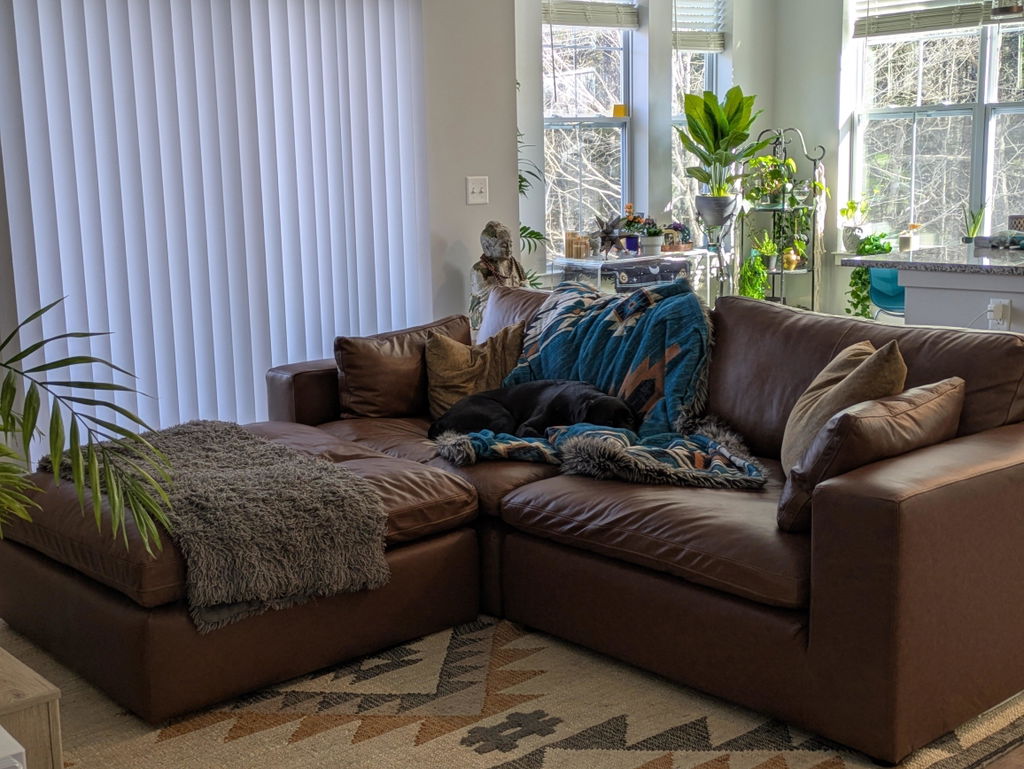
In larger living rooms, undersized furniture is the more common problem. A small loveseat floating in a big room can make the space feel disconnected. That's when a deeper sofa, a modular sectional, or a complete living room set can help the room feel intentional instead of pieced together.
Modular seating is especially useful when your room has an unusual shape or your needs might change. It gives you more freedom to build around corners, open floor plans, or growing households.
How to place seating without making the room feel stiff
One of the oldest layout habits is pushing every seat against the wall. It seems practical, but it often makes the room feel less inviting, not more. If space allows, pull your main seating slightly inward. Even a few inches can make the room feel more designed and more comfortable.
Your coffee table should be close enough to reach without leaning way forward, but not so close that it interrupts legroom. Side tables should land where people naturally need them, not just where there's leftover space. If a chair has no place for a drink, phone, or lamp, it tends to feel unfinished.
Try to keep the front edges of seating connected to a central zone, whether that's a rug, coffee table, or media console. That visual connection makes the layout feel grounded. Without it, furniture can look like it's floating separately around the room.
Use rugs to define the layout
A rug does more than add softness and color. It tells the eye where the living room begins and helps organize the furniture into one clear arrangement.
A rug that's too small is one of the fastest ways to make a room feel off-scale. Ideally, at least the front legs of the sofa and chairs should sit on the rug. In many layouts, a larger rug makes the whole space feel calmer and more polished because it visually pulls everything together.
If you're working with an open-concept plan, the rug becomes even more important. It creates a boundary for the living zone without adding walls or making the room feel chopped up.
Plan for real-life traffic flow
A living room should feel easy to move through. That sounds obvious, but it's where many layouts fall apart. People often center everything perfectly around the focal point and forget that someone still needs to walk from one side of the room to the other.
Keep major paths clear, especially between doorways and adjacent spaces. If you have to step around the corner of a sectional every time you enter the room, the layout needs adjusting. The same goes for coffee tables that are too oversized for the available space.
This matters even more for families with kids, pet owners, and homes that entertain often. A beautiful room that feels cramped during everyday use won't stay enjoyable for long.
Build around your focal point
Most rooms need one visual center. That might be a TV wall, fireplace, large window, or statement piece of art. Once that focal point is clear, the rest of the layout gets easier.
If your main focal point is the TV, make comfort your guide. Seats should face the screen naturally, and glare from windows should be managed as much as possible. If the fireplace is the feature, you may want seating arranged more symmetrically for a balanced look. If the room has both a fireplace and TV, you'll need to decide which one leads. Trying to make both equally dominant can create a layout that feels indecisive.
In some homes, there is no obvious focal point. That is completely normal. In that case, create one with a media console, large rug, or well-scaled sectional that gives the room direction.
Layout tips for common room types
In a small living room, choose fewer pieces with better function. A compact sectional, nesting tables, or an ottoman that works as a table can save space without making the room feel sparse. Lighter visual weight also helps. Furniture with cleaner lines and slightly raised legs tends to keep compact rooms feeling more open.
In a long, narrow room, avoid lining everything up like a hallway. Break the space into a clear seating area and let the furniture width counterbalance the room's length. Sometimes placing the sofa across the narrow dimension, rather than along the longest wall, creates a better sense of proportion.
In a large open-concept living room, floating furniture often works better than hugging the perimeter. Let the back of the sofa help define the edge of the living area. Add chairs or a console behind the seating if the room feels too open. This keeps the space connected while still giving each area a purpose.
In family-focused rooms, comfort should lead. Deep seating, easy-care materials, and layouts that let everyone see the TV or talk comfortably will get used more. This is often where a sectional earns its place.
Don’t forget lighting and storage
The layout is not finished when the sofa is in place. Lighting and storage are what make the room work day to day.
A room with one overhead fixture can feel flat, even with great furniture. Floor lamps, table lamps, and accent lighting make the seating area feel warmer and more complete. They also help define zones in larger rooms.
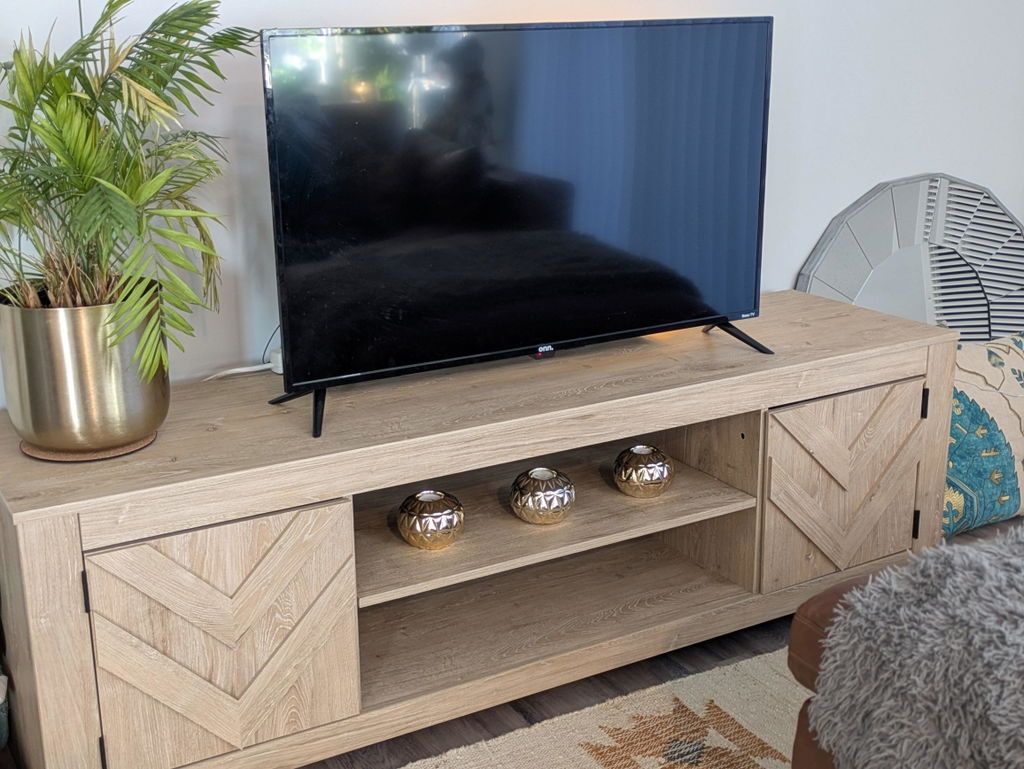
Storage matters just as much. If remotes, blankets, toys, or chargers have nowhere to go, clutter builds quickly and the layout feels less effective. A media console, storage ottoman, or sideboard can quietly solve that problem while adding visual balance.
A practical living room layout guide for easier shopping
Once you know your layout, shopping gets simpler. You can narrow your choices by scale, seat count, orientation, and use instead of guessing from product photos alone. That's the difference between buying furniture you like and buying furniture that actually fits your life.
If you're furnishing from scratch, room sets can remove a lot of decision fatigue. If you're updating one piece at a time, start with the anchor item and build outward with rugs, tables, and accent seating that support the layout. For shoppers who want comfort, style, and less friction, Dreamee Home makes that process easier with curated living room options, flexible financing, and fast nationwide delivery.
The best layout is the one that feels good at 8 p.m. on a Tuesday, not just the one that looks finished for five minutes. Plan for movement, comfort, and the way your household actually relaxes, and the room will come together with a lot less guesswork.