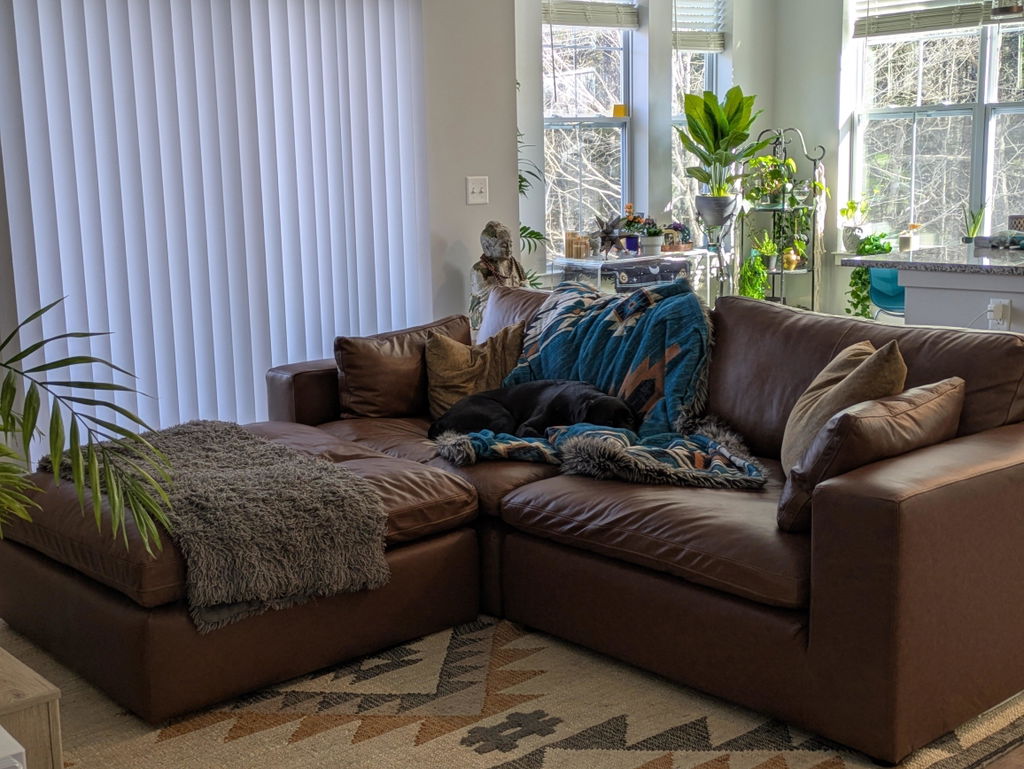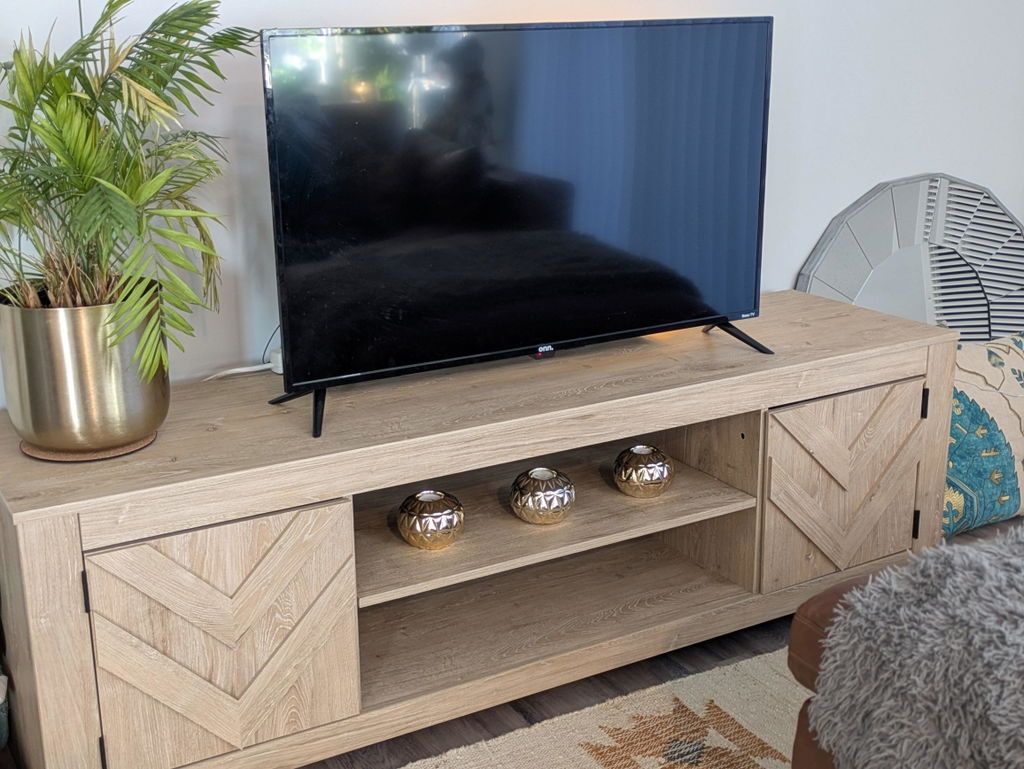

A modular sofa is more than a place to sit. It can define your living room, create extra lounging space for movie nights, and flex with the way your household actually lives. The key to how to style modular seating is treating it like the foundation of the room, then building around its shape, scale, and everyday purpose.
Unlike a traditional sofa, modular seating gives you options. You can create a wide chaise sectional, a cozy corner for a smaller apartment, a U-shaped setup for a busy family room, or an open conversation area for entertaining. That freedom is a major advantage, but it also means a little planning goes a long way.
Start With the Room's Real-Life Function
Before choosing a configuration or arranging accessories, think about what happens in the room most often. A living room used for casual TV time needs a different layout than one designed around conversation, kids' play, or hosting friends. Modular pieces work best when their layout supports those habits instead of simply filling empty floor space.
For a TV-centered room, aim the main section toward the screen and give the chaise or ottoman enough clearance so people can walk around it comfortably. In a conversation-focused space, consider a floating arrangement with modules facing one another. A U-shaped sectional can make a large room feel more connected, while an L-shaped configuration often keeps smaller rooms open and easy to navigate.
Leave clear paths through the room, especially between the seating area and entryways. As a general rule, allow about 30 to 36 inches for a main walkway. If your modular sofa blocks the natural flow of the room, it can feel oversized even when the measurements technically fit.
Let the Modular Shape Work for You
The best configuration depends on the room, not just the sofa. A low-profile cloud-style modular can make a compact apartment feel relaxed and current, but pairing it with too many bulky accent pieces may crowd the space. In a larger home, adding an ottoman or armless chair can help the arrangement feel intentional instead of spread out.
If you rent or expect to move, choose a layout that can break apart easily. A two-piece or three-piece configuration can become a corner sectional now and separate seating later. That flexibility is one reason modular furniture offers such strong long-term value.
How to Style Modular Seating With a Rug
A rug is often what turns a collection of modules into a finished seating area. It grounds the furniture, adds warmth underfoot, and helps define the living zone in open-concept homes. The most common styling mistake is choosing a rug that is too small.
For most modular sectionals, the front legs should sit on the rug at minimum. If the room allows, choose a large rug that extends under the entire sectional and reaches toward any chairs or coffee table. This creates a more generous, pulled-together look.
Color and texture matter just as much as size. A cream, ivory, or soft gray sectional looks especially good over a patterned rug with warm neutrals, muted blues, earthy greens, or subtle terracotta. A darker sofa can handle a lighter rug that adds contrast and keeps the room from feeling heavy. If your modular seating already has plenty of texture, such as bouclé or ribbed upholstery, a low-pile rug with a simpler pattern can create balance.
Choose a Coffee Table That Matches the Sofa's Scale
Modular seating tends to have a wide, lounge-ready footprint, so a tiny coffee table can look lost in front of it. Choose a table that feels substantial enough to serve the whole arrangement without making the room hard to move through.
A large round or oval coffee table is a smart choice for deep sectionals because the curved edges soften the sofa's long lines and make circulation easier. A rectangular table works well with a more tailored modular design, especially in a formal or narrow room. For a very flexible setup, try two smaller tables or nesting tables that can move when guests arrive.
Keep about 16 to 18 inches between the coffee table and the seat cushions. That is close enough for a drink or remote, but roomy enough to sit down comfortably. If your sofa includes a large ottoman, style it as a coffee table with a sturdy tray, a stack of books, and one small decorative object. Just make sure there is still a stable surface for everyday use.
Layer in Pillows Without Hiding the Sofa
Modular sofas are known for generous cushions and relaxed comfort, so they do not need an overload of throw pillows. The goal is to add color, softness, and personality while preserving the roomy seat that made you choose the sofa in the first place.
Start with two or three larger pillows at the corners, then add a few smaller accents in a complementary color or texture. Mix materials instead of matching every piece exactly. Linen, velvet, knit, boucle, and leather-look details can make a neutral sectional feel more elevated. A throw blanket draped casually over the chaise or one arm adds warmth without looking overly styled.
For a clean contemporary look, stay within a focused palette of three to four colors. For example, an oatmeal modular can pair with camel, black, olive, and ivory. If you love a brighter room, bring in color through pillows and throws rather than committing to a bold sofa that may be harder to restyle later.
Add Balance With Accent Chairs and Side Tables
A large sectional can dominate a room if every other piece is pushed against the walls. Accent chairs help balance the visual weight and create more seating without making the sofa feel even larger. One swivel chair near a window or a pair of slim-profile chairs across from the sectional can complete the room beautifully.
Pay attention to the chair's shape. If your modular seating is soft, deep, and low, a chair with a little structure or visible legs can add contrast. If your sofa has clean, tailored lines, a rounded chair can bring in softness. You do not need matching upholstery. Coordinating colors and similar undertones will look more collected and personal.
Side tables are equally practical. Place one beside the chaise or at the outer arm of the sectional so there is an easy spot for a lamp, drink, or book. In smaller spaces, a C-table that slides under the sofa can provide function without taking up much floor area.
Use Lighting to Create a Comfortable Zone
Overhead lighting alone can make even a beautiful living room feel flat. Give your modular seating area its own layers of light with a floor lamp, table lamps, or wall-mounted fixtures. This is especially helpful when the sectional sits in the center of an open floor plan.
A tall floor lamp behind the corner of the sofa adds height and makes the seating area feel finished. If you have a chaise near a window, place a slim side table and lamp nearby to create a cozy reading spot. Warm bulbs are usually the better choice for a room designed for comfort, helping fabrics and natural textures look richer at night.
Finish the Space With Art and Personal Details
The wall behind a modular sofa is prime real estate. A single oversized piece of art can look polished above a low, wide sectional, while a pair of larger prints can add symmetry. If your sofa has a tall back or sits under a window, shift the focus to an adjacent wall with a console, mirror, or gallery arrangement.
Keep decor purposeful. A plant, a textured vase, a few books, and a candle or sculptural object can make the coffee table feel lived-in without becoming cluttered. In family spaces, choose attractive storage baskets for blankets, toys, or extra pillows. A well-styled room should still be easy to use on an ordinary Tuesday night.
Make Comfort the Final Test
Great styling should never make a modular sofa feel too precious to enjoy. Sit in each section. Check whether people have a place to set down a drink, whether the rug feels soft underfoot, and whether the room still has enough open space to move freely. If the layout works for your daily routine, it will look more natural too.
For shoppers building a comfortable room without luxury-showroom pricing, Dreamee Home makes it easier to find modular seating and coordinating pieces in one place. Choose the configuration that suits your space, then give it a rug, lighting, and a few personal layers that make everyone want to stay awhile.