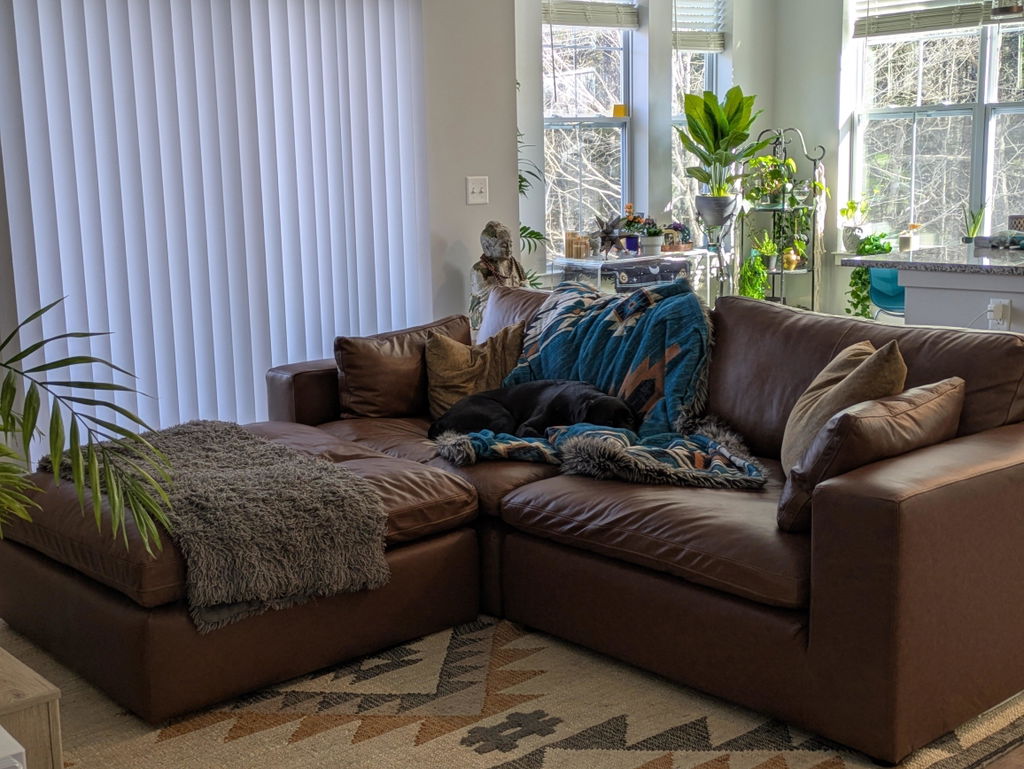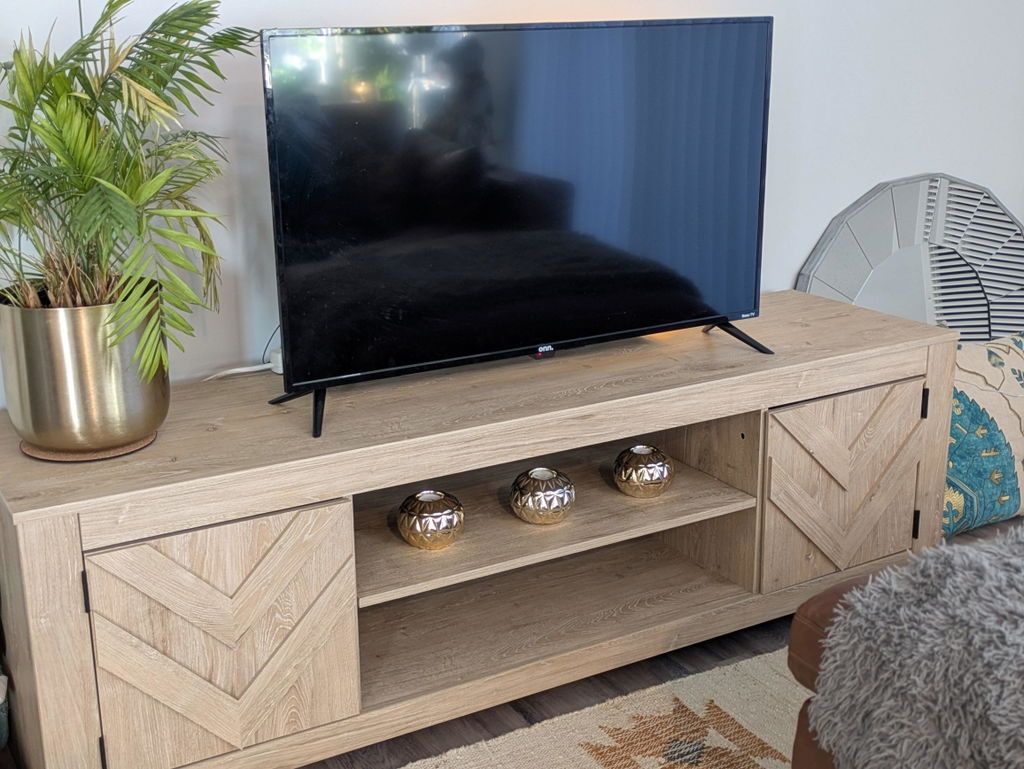

A living room does not need a full renovation to feel new. The most appealing living room color trends 2026 are about creating a warmer, more personal backdrop for the way people actually relax, host, work, and spend time at home. Think softer neutrals, earthy color, deep accents, and furniture that looks polished but still invites everyone to sit down.
For homeowners, renters, and anyone refreshing a room one piece at a time, this is good news. You do not have to chase a short-lived statement shade or replace every item you own. The 2026 direction makes room for comfortable sectionals, textured rugs, wood finishes, and a few well-chosen accents that make the space feel pulled together.
Living Room Color Trends 2026 Feel Grounded, Not Cold
For years, cool gray was an easy default. It was clean, flexible, and everywhere. In 2026, the mood is noticeably warmer. Neutral living rooms are still popular, but the best versions lean toward colors with depth: oat, sand, mushroom, putty, camel, warm taupe, and soft clay.
These shades work because they make a room feel calm without looking blank. They also play especially well with the furniture people want now, including oversized cloud couches, modular sectionals, curved accent chairs, and natural wood tables. A warm neutral sofa can be a practical long-term purchase, while pillows, throws, wall art, and rugs add the personality.
Warm Neutrals Become the Everyday Foundation
Cream is still in, but bright white is no longer the only route to a light living room. Choose ivory with a buttery undertone, beige with a hint of tan, or taupe that reads cozy rather than gray. These colors flatter sunlight during the day and feel comfortable under lamps at night.
If your room has dark flooring or limited natural light, avoid going too brown from wall to wall. Balance a camel or mocha sectional with lighter walls, a cream rug, and warm metallic or wood accents. In a bright, open room, deeper neutral layers can feel rich and intentional instead of heavy.
Nature-Inspired Greens Bring Quiet Color
Muted green is one of the easiest colors to bring into a living room in 2026. Olive, eucalyptus, moss, and soft sage all add life without demanding attention. Green works beautifully with beige upholstery, cognac leather, walnut finishes, black metal, and brass details.
A green accent chair or set of pillows is a low-commitment way to try the look. For more impact, a deep olive sofa can anchor a room while still feeling more versatile than a bright blue or red piece. The key is choosing a softened, earthy green rather than a highly saturated shade.
Dusty Blues and Mineral Tones Add Depth
Blue has not disappeared, but it is shifting away from icy navy-and-white contrasts. Dusty blue, slate, denim, blue-gray, and muted mineral tones are a better fit for the relaxed 2026 palette. They bring a little coolness to rooms with warm woods and creamy upholstery.
This is a smart option for households that want color but worry about getting tired of it. A blue-gray rug, a pair of accent chairs, or a textured throw can create contrast while staying easy to coordinate. Keep the surrounding colors warm so the room feels balanced rather than overly formal.
Deep Brown Makes a Strong Return
Chocolate, espresso, chestnut, and tobacco brown are showing up in sofas, occasional chairs, wood furniture, and decorative accents. This is not the dark, matching furniture set look of decades past. The current approach pairs a deep brown piece with lighter upholstery, rounded shapes, and lots of texture.
A brown leather chair next to a cream modular sectional feels collected and welcoming. A dark wood coffee table can ground a light room that otherwise feels too airy. If you like a more dramatic living room, mocha walls or a chocolate sofa can work well, but introduce lighter rugs, lamps, and artwork to keep the space open.
How to Use 2026 Living Room Colors With Furniture
The easiest way to make a trend work is to decide which item should stay flexible. For most homes, that is the sofa or sectional. A large seating piece is a comfort investment, so choosing a neutral fabric usually gives you more freedom as your style changes.
A light beige, warm gray, ivory, or taupe sectional gives you a strong starting point. Then use the color trend through pieces that are easier to update: an accent chair, an area rug, wall paint, curtains, or pillows. This approach is especially useful for renters who may not be able to repaint.
If you are ready for a colored sofa, choose one that still behaves like a neutral. Olive, tobacco brown, muted blue, and warm rust are the most livable choices. Before ordering, picture the piece with the floors, walls, and lighting you already have. Fabric swatches are helpful, but remember that a color can look cooler near a window and warmer under evening lighting.
At Dreamee Home, room-ready seating collections make it easier to build around one comfortable focal point instead of sourcing every piece separately. Start with the size and shape your room needs, then layer in color through the pieces around it.
Texture Is Part of the Color Story
In 2026, color is not only about paint. Boucle, chenille, velvet, woven fabrics, ribbed details, wood grain, stone, and mixed-metal finishes all change how a shade reads in the room. A cream sofa in a nubby fabric feels far warmer than the same color in a flat, smooth weave.
This matters when building a neutral palette. If every surface is the same beige and the same texture, the room can feel unfinished. Mix a soft upholstered sectional with a wood coffee table, a woven rug, linen-look curtains, and ceramic decor. The colors can stay close together while the room still gains depth.
Rugs are particularly useful here. A patterned rug that combines cream, olive, rust, and brown can connect a room without making it look overly matched. Pull one or two colors from the rug for pillows or artwork, then let the larger furniture remain calm.
Four Easy Palettes for a Fresh Living Room
If choosing individual colors feels overwhelming, work from a simple palette rather than shopping item by item. These combinations fit the 2026 direction while leaving plenty of room for your own style:
- Soft organic: Ivory, oatmeal, olive green, light oak, and matte black. This palette suits relaxed modern rooms and works well with a cream sectional.
- Warm and tailored: Camel, mushroom, walnut, tobacco brown, and brushed brass. It brings a more elevated look without feeling too formal for everyday use.
- Coastal without the theme: Sand, dusty blue, weathered wood, soft white, and charcoal. Keep the blue muted and skip overly literal beach decor.
- Moody modern: Mocha, clay, deep olive, black, and cream. Use the cream generously through a rug, curtains, or upholstery so darker tones do not shrink the room.
Avoid the Matchy-Matchy Look
A coordinated living room should not mean every item is the same color. Matching the sofa, loveseat, chair, rug, and curtains can make a space feel flat, even when every piece is beautiful. Instead, aim for a color family with contrast in value and texture.
For example, pair a light neutral sectional with a medium-tone wood table and one dark accent, such as black lamps or a brown chair. If your sofa is olive or blue, choose a rug with cream in it to give the eye a place to rest. A room often needs both light and dark elements to feel finished.
Also consider scale. Small accessories are perfect for trying rust, plum, ochre, or a bolder green. Large furniture should support the room's long-term comfort and flexibility. It depends on your style and budget, but a neutral sectional plus seasonal accents is usually the easiest path to a look you will still love next year.
Let Your Home Set the Direction
The best color trend is the one that makes your living room feel more like a place you want to be. Start with the light, flooring, and furniture you already love, then bring in warmth, texture, and one confident color at a time. A comfortable seat, a well-sized rug, and a palette that feels good morning through night will always outlast a passing trend.