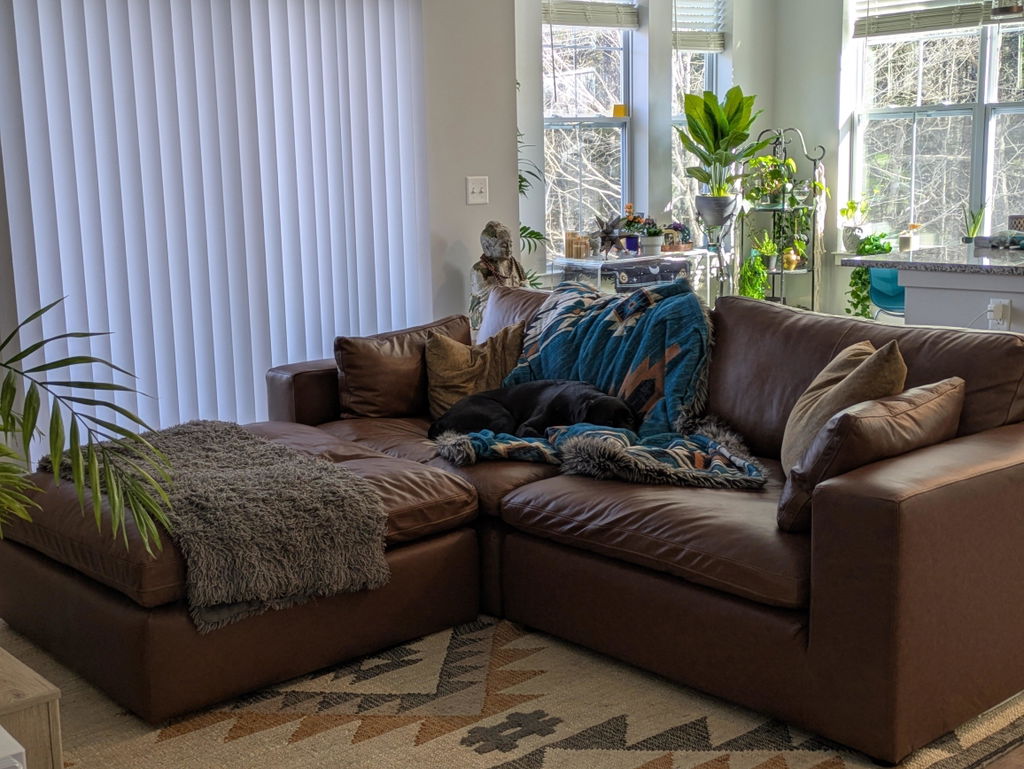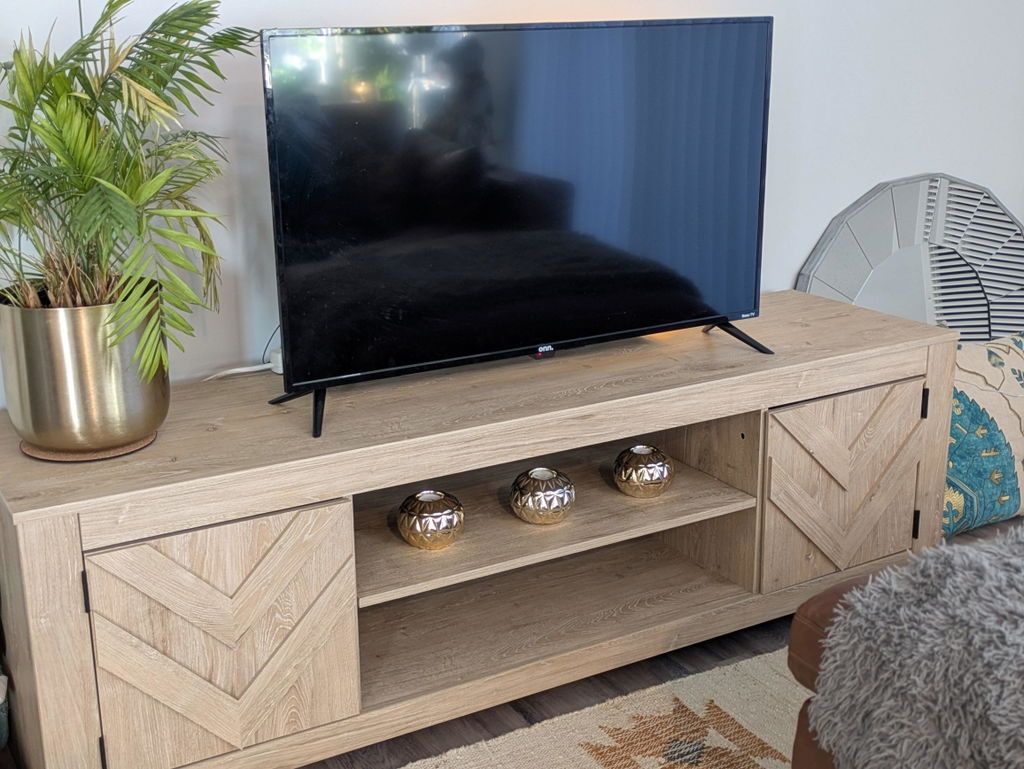

A living room can feel finished one day and suddenly too small the next. Maybe you started working from home, adopted a bigger dog, began hosting friends more often, or simply got tired of a sofa that only works in one spot. An apartment makeover with modular seating gives you a practical way to refresh the room without treating your layout like it is permanent.
Unlike a traditional couch, a modular sectional is built from separate pieces that can be arranged to suit the way you live now - and rearranged when life changes. That flexibility is especially valuable in apartments, where every wall, walkway, and square foot has a job to do.
Start With the Room You Have, Not the Sofa You Saw
The best apartment makeover starts with measurements, not a scroll through inspiration photos. Measure the longest wall, the open floor area, door swings, windows, radiators, and the route from your entryway to the living room. A sectional that looks perfectly compact online can still feel oversized if it blocks the path to the kitchen or forces a coffee table too close to the seating.
Leave about 30 to 36 inches for major walkways when possible. In a tighter room, 24 inches may be workable, but the space should still feel easy to move through. Also consider where people naturally drop bags, pull out dining chairs, or walk toward a balcony. Modular seating should make those routines easier, not create an obstacle course.
It helps to tape out the proposed configuration on the floor. You will quickly see whether a chaise should go on the left or right, whether an armless chair creates a better conversation area, or whether a smaller two-piece arrangement is the smarter choice. This simple step can prevent the most common apartment furnishing mistake: buying for the photo instead of the floor plan.
Choose a Modular Layout That Matches Your Routine
Modular seating earns its place when the configuration reflects real life. A compact apartment does not automatically need the smallest sofa. It needs the right balance of seating, circulation, and visual breathing room.
For small studios and one-bedroom apartments
A loveseat-sized modular sofa or a two-piece sectional with a chaise can define the living zone without swallowing it. Place the chaise along the wall or toward a window when it keeps the center of the room open. If your space doubles as a guest room, look for deep, lounge-ready seats that can comfortably handle an overnight visitor in a pinch.
Avoid adding every available module just because the collection allows it. A single corner seat may be useful, but a large U-shaped layout can make a studio feel like the furniture arrived before the apartment did.
For open-concept apartments
An L-shaped sectional can create a clear boundary between living and dining areas. Instead of pushing every piece against a wall, float the sectional with its back facing the dining table. This gives the room structure and makes an open plan feel intentional.
A low-profile modular design keeps sightlines open, which matters when the kitchen, dining area, and living room share one visual frame. Pair it with a round coffee table or ottoman to soften the angles and keep the flow comfortable.
For families, pets, and frequent hosts
This is where modular seating can become the hardest-working furniture in the apartment. Add an ottoman for extra lounging, shift an armless chair when guests arrive, or build a wider sectional for movie nights. Performance fabrics, removable cushions, and medium-to-deep seat depths are worth prioritizing when the sofa sees daily use.
The trade-off is that more modules can mean more seams and a larger footprint. Choose a configuration that feels generous without turning the room into one large couch.
Build the Look Around One Anchor Piece
A modular sectional often becomes the visual anchor of an apartment makeover, so let it guide the rest of the room. Start with the sofa color and silhouette, then choose a rug, tables, lighting, and accents that support it.
For a calm, modern look, choose a cloud-inspired sectional in cream, warm beige, soft gray, or muted taupe. These shades make a room feel lighter and work especially well with natural wood, textured rugs, and black metal accents. If your apartment gets heavy daily traffic, a warm gray, camel, olive, or textured neutral can be more forgiving than bright white.
The rug should be large enough to connect the seating arrangement. Ideally, the front legs of each modular piece sit on the rug. A rug that is too small can make even a beautiful sectional look disconnected and make the room feel more cramped.
Keep the coffee table proportionate to the layout. In a smaller apartment, a round table, upholstered ottoman, or nesting tables can be easier to move around than a large rectangular piece. Leave roughly 16 to 18 inches between the table and seat cushions so snacks, remotes, and feet all have a place without making the room feel tight.
Make Comfort Look Intentional
The most inviting apartments are not styled like showrooms. They have a polished look, but they also make you want to sit down. With modular seating, comfort comes from the pieces you choose and how you finish them.
Use a mix of back pillows and a throw to add softness, but do not overload every seat with decorative cushions. If it takes five minutes to clear the sofa before anyone can sit down, the styling is working against the furniture. Two or three accent pillows in a contrasting texture can add dimension without sacrificing a usable seat.
Lighting matters just as much. A floor lamp beside the sectional makes the room feel warmer at night and gives you task lighting for reading. If there is no space for an end table, consider a slim C-table that slides beneath the sofa or a small drink table beside the chaise.
For renters, these layers are especially useful because they add personality without requiring permanent changes. A large rug, a floor lamp, framed art, and a flexible sectional can completely shift the mood of a standard apartment living room.
Plan for Delivery Before You Fall in Love
Modular furniture is often easier to get through narrow apartment doors, elevators, and stairwells than one oversized sofa because it arrives in separate pieces. Still, confirm dimensions before ordering. Measure your building entrance, hallways, elevator interior, apartment doorway, and any sharp turns along the route.
Also check your building's delivery rules. Some require reserved elevator times, certificates of insurance, or specific delivery windows. If you are moving into a walk-up or want help placing and assembling a larger configuration, white glove delivery can be worth considering.
At Dreamee Home, apartment shoppers can compare modular sectionals and room-ready pieces in one place, with accessible financing options designed to make a larger refresh more manageable. Focus first on the configuration and dimensions that fit your home, then use price, fabric, and delivery support to narrow the choices.
Buy Flexibility, Not Just More Seats
A modular setup can save you from replacing your sofa every time your apartment changes, but only if you choose a collection that gives you room to adapt. Consider whether you may move to a larger home, need a kid-friendly lounge area, or want to separate the pieces for a future media room. Matching add-on modules can be useful, though availability and fabric continuity may vary over time.
If your current space is very small, buy the core configuration you will love every day rather than planning around a future addition. A well-proportioned two- or three-piece sectional will look better and feel more comfortable than an overbuilt arrangement waiting for a bigger apartment.
Your home does not need more furniture to feel more complete. It needs seating that works with your space, supports your routines, and leaves room for the life happening around it. Choose modular pieces with that in mind, and your next rearrangement can feel like a fresh start instead of another furniture problem.