
The fastest way to make a home feel finished is not buying everything at once. It is choosing the few pieces that make daily life easier, then building each room around them. This guide to furnishing every room helps you prioritize comfort, create a pulled-together look, and spend where it counts without turning furniture shopping into a second job.
Start with how your home is actually used. A family movie night needs different seating than a formal entertaining space. A small apartment bedroom may need storage more than a large dresser. When every purchase has a job, your rooms feel better, function better, and are much less likely to become expensive clutter.
Start With a Whole-Home Plan
Before selecting colors, make a simple plan for the rooms you use most. For most homes, that means the living room, bedroom, dining area, and home office. Then add supporting spaces such as an entryway, patio, kids’ room, or guest room as your budget allows.
Measure each room, including doorways, elevators, stairwells, and tight corners. A beautiful sectional is only a win if it fits through the front door and leaves enough walking room once it is in place. Mark windows, outlets, vents, and door swings, too. These details help you avoid blocking light, storage, or everyday traffic.
It also helps to set a budget by priority rather than treating every room equally. Invest first in pieces that take the most use: a supportive mattress, a comfortable sofa, a durable dining table, or a desk chair that makes workdays easier. Accent tables, decorative lighting, and wall decor can come later.
Choose a Style Thread, Not a Strict Match
A home looks more considered when rooms share a few visual cues, but matching every item can make it feel flat. Pick two or three elements to repeat throughout the home. That could be warm wood tones, matte black metal, soft neutral upholstery, rounded silhouettes, or a favorite accent color.
Contemporary spaces often feel inviting when clean-lined furniture is balanced with texture. Think a low-profile sofa paired with a plush rug, an oak dining table with upholstered chairs, or a streamlined bed softened by layered bedding. The goal is not a showroom-perfect set. It is a home that feels consistent and comfortable.
Guide to Furnishing Every Room by Priority
Make the Living Room the Comfort Center
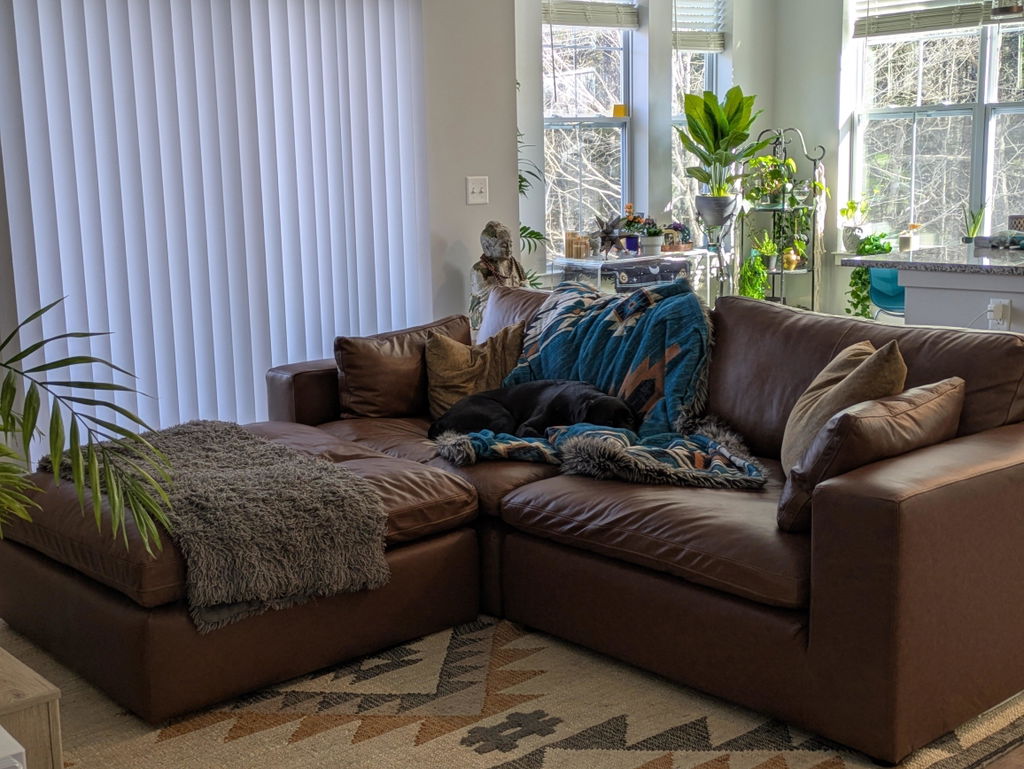
The living room usually earns the largest share of the furniture budget because it does so much: lounging, hosting, homework, gaming, and everyday family time. Start with seating. A sectional is a smart choice for households that want generous room to stretch out, while a modular sofa offers more flexibility if you move often or like changing your layout.
Choose seating based on the room’s shape. A large L-shaped sectional can anchor an open floor plan, but it may overwhelm a narrow room. In a smaller space, a sofa with a compact chair or ottoman can provide the same flexibility with a lighter footprint. Leave clear paths around the seating area so the room feels relaxed instead of crowded.
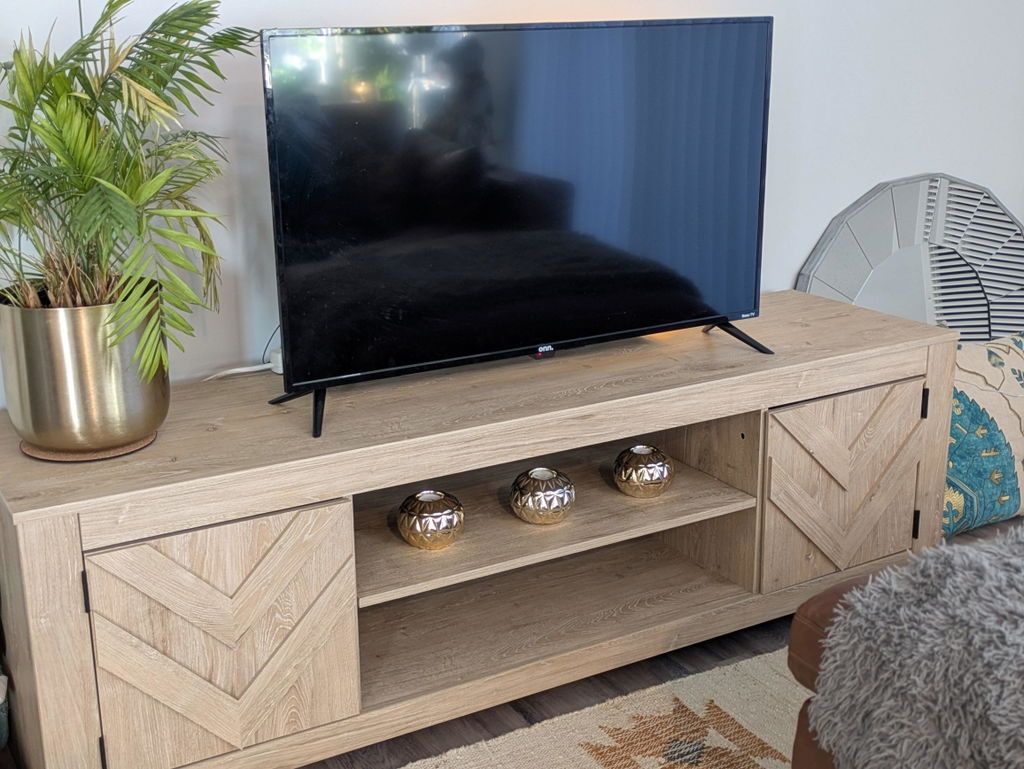
Next, add a coffee table or oversized ottoman, then a rug large enough to sit under at least the front legs of the sofa and chairs. A rug that is too small can make even good furniture look disconnected. Finish with side tables, lamps, and a media console sized for your storage needs. Keep decor intentional: a few personal pieces look more polished than every surface filled at once.
Build a Bedroom Around Rest and Storage
A bedroom should make winding down easier. Begin with the mattress and bed frame, then choose nightstands that are within easy reach. If possible, use two nightstands, even in a smaller primary bedroom. The visual balance is helpful, and the extra surface space is practical.
Storage is the next decision. A dresser, chest, storage bed, or a combination of the three can work depending on your closet. If you have limited square footage, prioritize vertical storage and furniture with more than one purpose. A storage bench at the foot of the bed can hold extra blankets while giving you a place to sit when getting ready.
Keep the bedroom color palette calm, but do not assume that means all beige. Deep blue, muted green, warm gray, and soft terracotta can all feel restful when balanced with lighter bedding. Add curtains, a rug under the lower two-thirds of the bed, and warm bedside lighting to make the room feel complete.
Make the Dining Area Work Harder
Dining furniture should fit your real routine. If most meals are for two but you host occasionally, an extendable table may make more sense than a permanently oversized one. For larger households, a rectangular table often provides the most seating efficiency, while a round table can improve flow in compact rooms.
Allow enough clearance to pull out chairs comfortably. If space is tight, benches can tuck under the table when not in use, though chairs usually offer better back support for longer dinners. Add a sideboard or buffet only if it solves a storage need for linens, serving pieces, or entertaining essentials.
A pendant light above the table adds warmth and defines the dining zone, especially in open-concept homes. Choose a fixture that feels substantial enough for the table without hanging so low that it interrupts conversation.
Create a Home Office That Supports Focus
A home office does not need a separate room to be useful. A well-planned desk setup can fit in a bedroom corner, living-room wall, or unused nook. Start with a desk that gives you enough space for your monitor, laptop, and daily essentials. If paperwork tends to pile up, choose drawers or add a small filing cabinet rather than relying on the desktop for storage.
The chair matters more than people expect. Prioritize adjustable support and a seat you can use comfortably for several hours. Then add task lighting, a rug if the area needs visual separation, and closed storage to keep work from spilling into personal time.
Do Not Overlook Entryways, Outdoor Areas, and Kids’ Rooms
Small zones can make a big difference in how the entire home functions. An entryway benefits from a console, bench, hooks, or storage cabinet that gives shoes, bags, and keys a place to land. In a kids’ room, durable furniture and easy-access storage help children use the space independently while keeping clean-up manageable.
For outdoor spaces, begin with weather-ready seating sized for the way you gather. A compact bistro set works well for morning coffee, while a conversational sofa set or dining set creates room for weekend hosting. Outdoor rugs, pillows, and lanterns make a patio feel like a true extension of the home.
Buy in Layers and Leave Room to Live
The best rooms develop over time. Buy the anchor pieces first, then live with the layout before adding extras. You may discover that you need another lamp instead of another chair, or closed storage instead of more decor. This approach protects your budget and gives your home a more personal result.
Complete room sets can be a convenient choice when you want a coordinated look quickly, especially for bedrooms and dining rooms. Mixing individual pieces offers more personality, but it requires more attention to scale and finish. Neither approach is better in every case. It depends on your timeline, budget, and confidence in making design decisions.
When you are ready to bring the plan together, Dreamee Home makes it easier to shop comfort-forward furniture across rooms, with stylish options, flexible financing, and fast nationwide delivery. Choose pieces that support your day-to-day life first, then let the finishing layers make the space unmistakably yours.