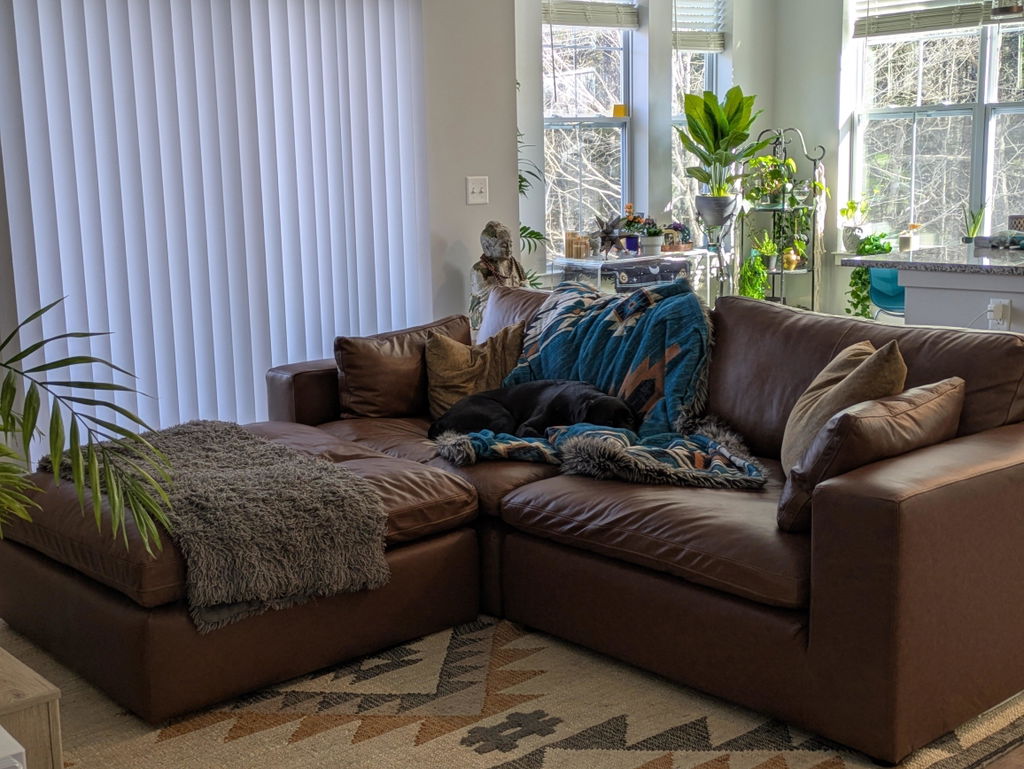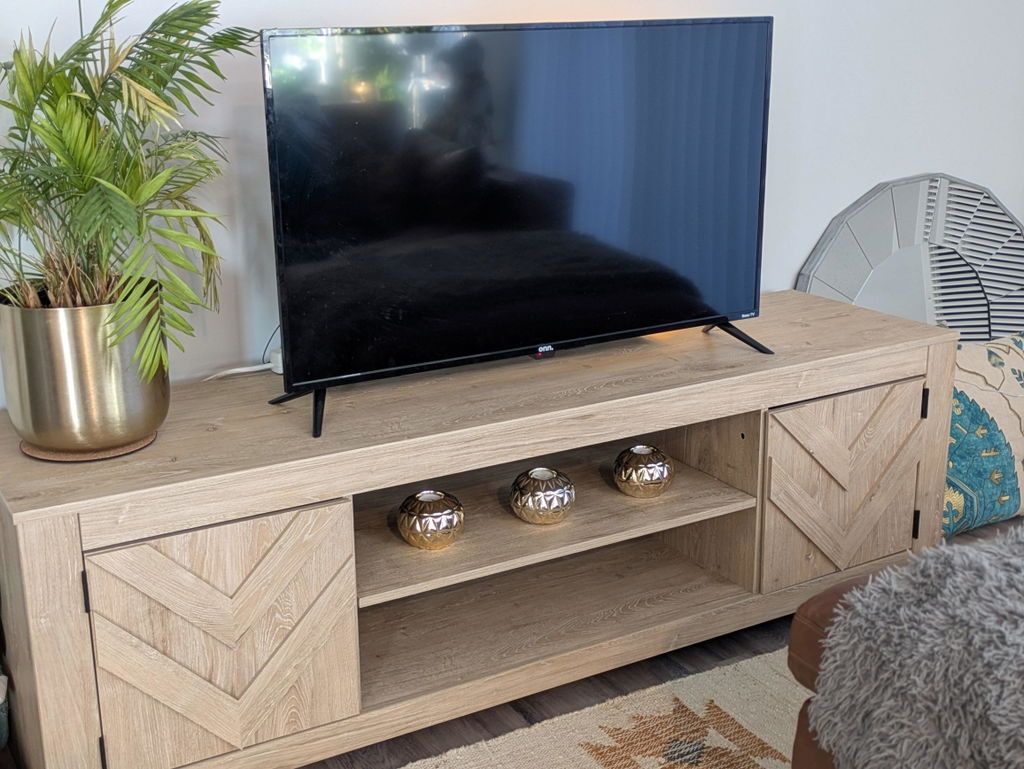

A living room can have a beautiful sectional, a favorite coffee table, and plenty of soft lighting, yet still feel unfinished until the rug is right. The best rugs for living rooms do more than add color underfoot. They define the seating area, make a room feel warmer, soften sound, and help every piece of furniture look like it belongs together.
The good news: finding the right rug does not require designer-level guesswork. Start with your layout and how your household lives in the space, then choose a material, pile height, and pattern that can keep up. Whether you are furnishing a first apartment, styling a family room around a cloud couch, or refreshing a formal sitting area, a well-sized rug brings the whole room into focus.
Best Rugs for Living Rooms Begin With the Right Size
The most common rug mistake is going too small. A small rug may cost less upfront, but it can make even a generous living room look disconnected. Think of your rug as the visual foundation for your seating area, not as a small accent placed in the center of open floor space.
In most living rooms, the front legs of your sofa, sectional, and accent chairs should rest on the rug. This creates a grounded, intentional layout while still leaving a border of visible flooring around the room. If your space allows it, placing all furniture legs on the rug gives a more spacious, polished look.
Use these common sizes as a starting point:
- 5 x 8 rugs work best in compact apartments, small sitting areas, or in front of a loveseat with one or two chairs.
- 6 x 9 rugs suit smaller living rooms where the front legs of the main seating can sit on the rug.
- 8 x 10 rugs are a go-to choice for many standard living rooms and sectional layouts.
- 9 x 12 rugs make sense for large, open-concept rooms, expansive sectionals, or complete seating groups.
For sectionals and modular seating
A sectional needs a rug that feels equally substantial. An 8 x 10 rug often works for a compact L-shaped sectional, while a 9 x 12 can better support a larger modular or deep-seat configuration. Make sure the rug extends beyond the coffee table and reaches under the sectional's front edge. If it stops too far inside the seating area, the arrangement can feel cramped rather than cozy.
For small living rooms
Small rooms still benefit from a generously sized rug. Choosing a slightly larger rug can make the area feel more open because it creates one clear visual zone. Look for lighter colors, low-contrast patterns, or subtle texture if you want the floor to feel less busy.
Choose a Rug Material That Matches Real Life
The best-looking rug is not always the best fit for your everyday routine. Kids, pets, frequent guests, and snack-filled movie nights all affect the material that will make sense in your home. A living room rug should feel good, but it should also be realistic to maintain.
Wool is a classic choice for warmth, durability, and natural softness. It has a refined look and holds up well over time, making it a strong option for a primary living room. Wool can shed at first and may require more careful cleaning, so it is ideal for households that want a premium feel and do not need a fully washable solution.
Synthetic fibers such as polypropylene and polyester are popular for busy homes because they are typically budget-friendly, colorfast, and easier to clean. They are a smart choice for family rooms, pet-friendly spaces, and high-traffic seating areas. A quality synthetic rug can still deliver the soft, textured look that makes a room feel elevated.
Cotton rugs are lightweight and casual, often with a relaxed, lived-in feel. They can work well in smaller spaces or layered over a larger neutral rug, but they may shift more easily and show wear sooner in a heavily used room.
Natural-fiber rugs made from jute, sisal, or seagrass bring organic texture to contemporary and coastal-inspired rooms. They are especially appealing beneath a soft sofa or plush accent chairs because the contrast makes the room feel balanced. Their texture can be rougher under bare feet, though, and some styles are less forgiving around spills.
Pick the Pile Height for Comfort and Cleanup
Pile height refers to how tall or thick the rug fibers are. It changes both the feel of the room and the amount of upkeep the rug needs.
Low-pile rugs are practical, versatile, and easier to vacuum. They work particularly well under coffee tables, in homes with pets, and in spaces where doors need to swing freely over the rug. Flatweaves and low-pile designs also make a great base for layered decor.
Medium-pile rugs offer a comfortable middle ground. They feel softer underfoot while remaining manageable for everyday care. For many households, this is the sweet spot between a relaxed feel and a practical finish.
High-pile and shag rugs bring instant softness, which can be especially inviting next to a deep sectional or in a lounge-focused living room. The trade-off is maintenance. Thick fibers can trap crumbs, pet hair, and dust, so reserve these options for lower-traffic rooms or homes where extra vacuuming is not a concern.
Let Color and Pattern Do Some of the Design Work
A rug can either quietly support the room or become the piece that gives it personality. If your sofa is a bold color, your wall art is busy, or your pillows already mix several patterns, a neutral rug with texture can calm the space. Ivory, warm beige, gray, taupe, and soft tan shades are easy to style with changing decor.
If your seating is neutral, a patterned rug can add depth without requiring a full room makeover. Vintage-inspired medallions, abstract designs, geometric motifs, and subtle stripes can make a simple sofa look more styled. In family homes, multicolor patterns are also useful because they are more forgiving of small spills and everyday wear than a solid pale rug.
Pay attention to undertones, especially when combining wood furniture and upholstery. A cool gray rug may clash with very warm oak or caramel leather, while a cream rug with golden undertones can connect those pieces beautifully. Bring a pillow, fabric swatch, or a photo of your flooring into the decision whenever possible.
Do Not Skip the Rug Pad
A rug pad is one of the least visible upgrades and one of the most worthwhile. It helps prevent slipping, adds cushioning, reduces bunching, and protects both the rug and the flooring beneath it. It can also make a thinner rug feel more substantial underfoot.
Choose a pad that is slightly smaller than the rug so it stays hidden. For hard flooring, look for a non-slip option. For carpet, use a pad designed to prevent the rug from creeping or wrinkling. This small addition helps your living room feel safer and more comfortable from day one.
Build a Room That Feels Ready to Live In
Your rug does not need to match every piece of furniture exactly. It simply needs to connect the colors, scale, and mood of the room. A soft neutral rug can make a statement sectional feel more relaxed. A richly patterned design can give a streamlined sofa and coffee table more character. The right choice depends on what you want the room to do for you every day.
When you are ready to bring the seating area together, prioritize size first, then choose a durable material and a style that feels like home. Dreamee Home makes it easier to pair comfort-driven seating, modern furniture, and room-defining rugs in one place, with convenient delivery options for a smoother refresh. Choose the rug that supports your real life, and your living room will feel less like a collection of furniture and more like the place everyone wants to gather.