
Your first apartment gets real the moment you realize you need more than a mattress, two forks, and a place to charge your phone. If you're wondering how to furnish first apartment spaces without draining your savings or ending up with a random mix of pieces that never quite work together, the key is simple: buy in the right order, focus on everyday comfort, and leave room in your budget for the things you’ll actually use.
A lot of first-time renters make the same mistake. They shop for the fun pieces first, then scramble to cover the basics. That usually leads to a living room with a stylish accent chair but no comfortable sofa, or a bedroom that looks finished until you realize there’s nowhere to store anything. A better approach is to think in layers. Start with the furniture that defines how you live, then add the pieces that make the space feel complete.
How to furnish first apartment without overspending
Before you add anything to cart, measure every room. Then measure your entryway, stairwell, hallway, and elevator if you have one. A sofa that fits your floor plan but not your building is not a bargain.
Next, set a real budget by room, not just one big number. Most people underestimate how quickly costs add up once rugs, nightstands, lamps, dining chairs, and delivery are part of the picture. Breaking your budget into spaces helps you protect the categories that matter most. If you spend a little more on the sofa you’ll sit on every day, you can keep dining or decor more flexible at first.
It also helps to separate must-haves from nice-to-haves. Your must-haves are the pieces that support daily routines right away. Nice-to-haves can wait a few weeks or even a few months. That pause usually leads to smarter choices, because you get to live in the apartment and learn what the space actually needs.
Start with the rooms you use most
For most people, that means the bedroom and living room come first. If you work from home, your office setup may move higher on the list. The point is not to furnish every room at once. It’s to make the apartment livable, comfortable, and pulled together as quickly as possible.
The bedroom should feel finished early
Sleep affects everything, so your bed setup deserves priority. A quality bed frame, supportive mattress, and at least one nightstand do more for daily comfort than a lot of decorative purchases combined. If closet space is limited, add a dresser sooner rather than later. Piles of clothes make even a nice apartment feel temporary.
This is also one place where matching sets can make life easier. If you want a coordinated look without spending hours comparing finishes and dimensions, a bedroom set gives you a faster path to a room that feels intentional. That convenience matters when you’re furnishing from scratch and trying to keep decisions manageable.
The living room is your everyday zone
In a first apartment, the living room often handles everything. It’s where you relax, host friends, eat takeout, watch TV, and sometimes work. That’s why the main seating piece matters so much.
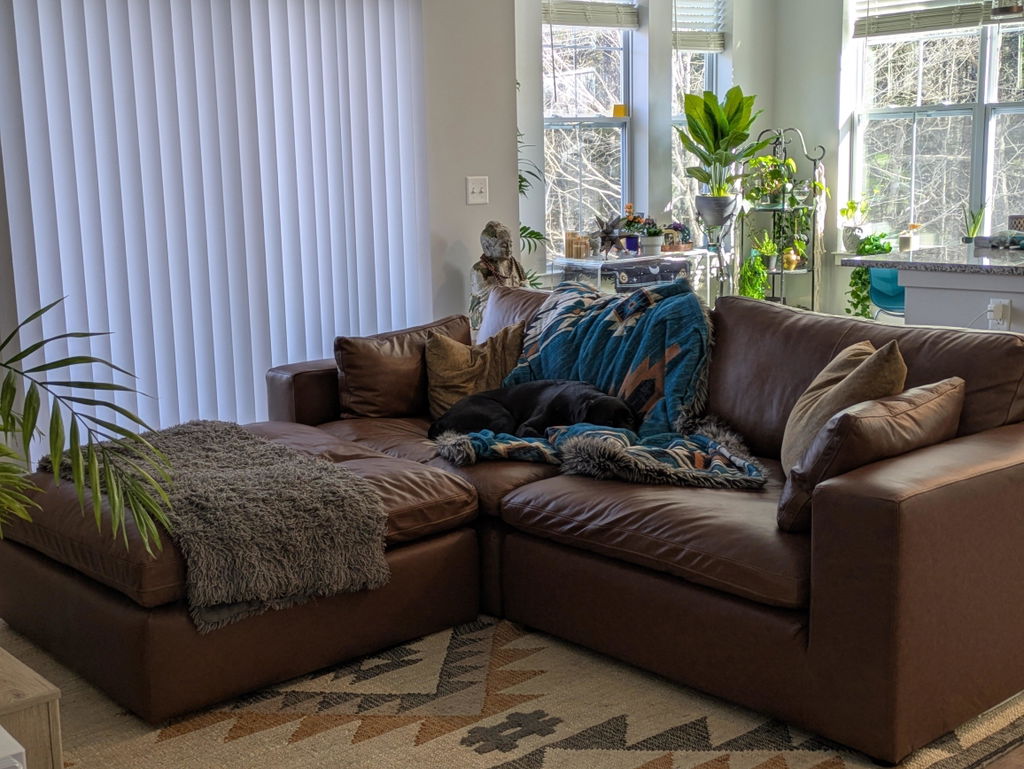
If you have the space, a sectional can be one of the smartest buys you make. It gives you more seating, more lounge comfort, and often a better value than trying to piece together a sofa and extra chairs later. Modular seating is especially useful in apartments because it can adapt to odd layouts, future moves, or changing needs. If your space is smaller, a compact sofa with a clean profile may be the better call. The trade-off is simple: more seating versus more open floor space.
A rug also does more work than people expect. It anchors the room, softens the sound, and makes a basic apartment feel warmer right away. Even if your budget is tight, skipping the rug entirely can leave the room looking unfinished.
Don’t ignore dining just because you order in
Not every first apartment needs a full formal dining setup. But most apartments benefit from some dedicated place to eat, work, or gather. That might be a round dining table with four chairs, a counter-height set for a smaller footprint, or even a compact table that doubles as a desk.
This is a good example of buying for your actual lifestyle. If you rarely host and mostly eat on the go, a space-saving solution is probably enough. If friends are always at your place, invest in something sturdier and more comfortable.
Choose furniture that works harder
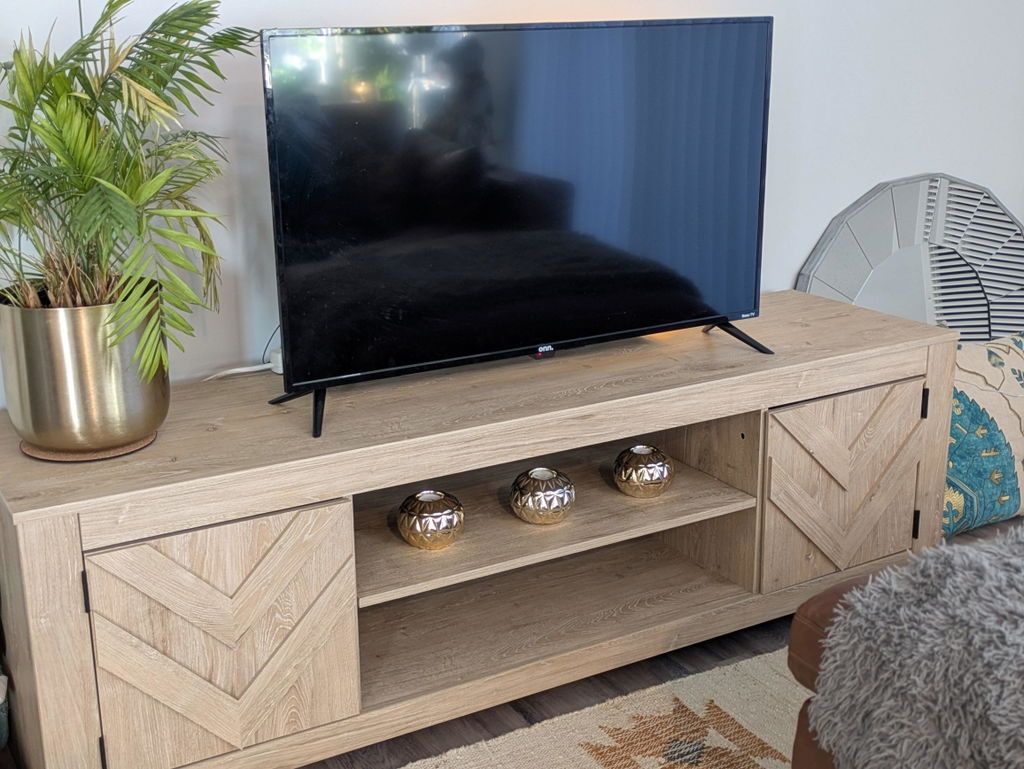
When you’re furnishing your first place, versatility is worth paying attention to. An upholstered bed with storage, a lift-top coffee table, a media console with concealed shelving, or a modular sectional can solve multiple problems at once. That matters even more in apartments where square footage is limited.
Multi-use furniture does not have to look basic. Plenty of modern pieces are built for flexibility while still feeling stylish and comfortable. That balance is where shoppers get the most value, especially when they want a home that feels elevated but still practical for everyday life.
It’s also smart to think one move ahead. You may not stay in your first apartment forever, so buying furniture that can adapt to a different layout is often a better long-term play than choosing pieces that only work in one exact room shape.
Keep your style consistent, not complicated
A first apartment comes together faster when you choose a clear direction early. That doesn’t mean everything has to match perfectly. It means your furniture should feel like it belongs in the same home.
Start with a simple foundation. Warm neutrals, soft grays, natural wood tones, black accents, and textured fabrics are easy to build around. Then bring in personality through pillows, art, rugs, and decor. Large furniture is expensive to replace, so it makes sense to keep those pieces versatile and let smaller accents carry more of the trend.
If you love a cloud couch look, curved silhouettes, or contemporary room sets, go for it, but keep proportion in mind. Oversized comfort is appealing, but in a smaller apartment it can quickly crowd the room. Always compare dimensions to your floor plan, not just the product photo.
Save money where it makes sense
Not every category deserves the same budget. Spend more on the pieces that get heavy daily use, like your mattress, sofa, and main dining or office chair. Those are comfort investments. Save more on side tables, decor, accent lighting, and occasional pieces that don’t affect your day the same way.
You can also save by shopping room sets or coordinated collections instead of sourcing every piece one by one. That route often helps with pricing, but it also saves time and reduces the risk of mismatched finishes. For first-time furnishers, convenience is part of the value.
Financing can also make sense if it helps you buy the essentials upfront without settling for furniture you’ll want to replace in six months. The key is using it strategically, not as a reason to overbuy. Start with the core rooms, choose pieces with lasting comfort and broad appeal, then build from there.
What people forget when furnishing a first apartment
Lighting is a big one. Many apartments come with harsh overhead fixtures and not much else. Floor lamps, table lamps, and bedside lighting make a major difference in how comfortable the space feels at night.
Another overlooked category is scale. Small furniture in a large room can look scattered, while oversized furniture in a tight apartment makes it hard to move around. This is where room planning matters. Give yourself enough walking space and make sure drawers, doors, and recliners can fully open.
Delivery is another factor people don’t think about until checkout. Fast nationwide delivery, clear shipping details, and options like white glove service can make a huge difference when you’re moving on a deadline or furnishing multiple rooms at once. A good buying experience is not just about price. It’s about getting the right pieces home without extra stress.
A simple order for furnishing your first apartment
If you feel stuck, use this buying order: bed and mattress first, then main living room seating, then storage, then dining, then rugs and lighting, then decor and accent pieces. That sequence covers comfort and function first while still moving you toward a finished look.
If your budget allows, buying from a trusted retailer with curated room options can make the whole process smoother. Dreamee Home, for example, makes it easier to shop by room and style, so you can furnish faster without bouncing between dozens of stores or second-guessing every piece.
Your first apartment does not need to be perfect on day one. It just needs to support your routine, feel comfortable to come home to, and leave space for your style to grow. Buy the essentials with intention, choose comfort you’ll notice every day, and let the apartment come together piece by piece instead of all at once.