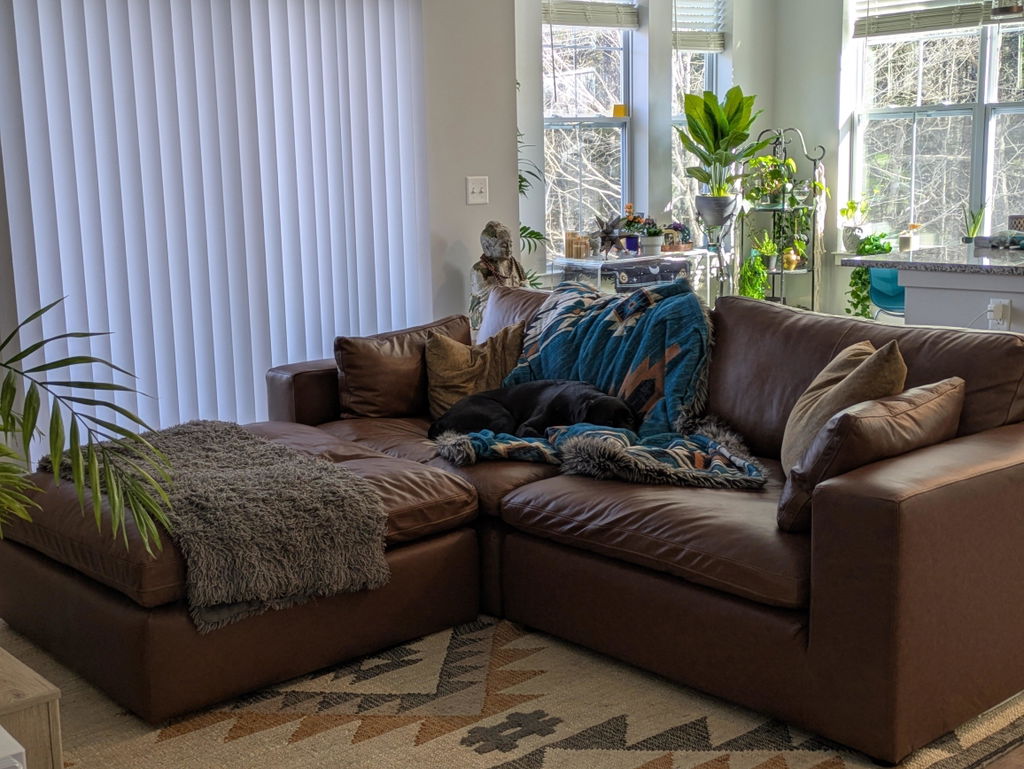

A sectional can make a living room feel finished fast - or make it feel crowded the minute it arrives. If you’re wondering how to choose sectional size, the answer starts with your room, not the sofa. The right fit is about scale, traffic flow, and how you actually live at home.
A lot of shoppers make the same mistake. They focus on how many seats they want, then treat measurements like a final detail. In reality, size should come first. A beautiful sectional that blocks walkways, overpowers a small apartment, or leaves no room for a coffee table is going to feel like the wrong buy no matter how good it looks online.
How to choose sectional size without guessing
Start by measuring the full room, then measure the usable room. Those are not always the same thing. Your floor plan may include door swings, fireplaces, windows, radiators, built-ins, or TV consoles that reduce where a sectional can realistically go.
Measure the width and length of the space in inches. Then identify how much of that area can actually hold furniture without interrupting movement. In most living rooms, you want at least 30 to 36 inches for a comfortable walkway. In tighter spaces, 24 inches can work, but that is the lower end and can feel snug, especially for families or frequent guests.
Once you know your usable space, map out the sectional footprint with painter’s tape on the floor. This simple step gives you a much clearer sense of scale than numbers on a screen. It also helps you see whether the chaise extends too far, whether an L-shape cuts into the room, or whether a U-shape leaves enough breathing room.
Match the sectional size to the room type
Not every room needs the biggest sectional that fits. The best size depends on the shape of the room and how you use it day to day.
Small apartments and compact living rooms
In smaller spaces, a sectional can still work beautifully, but it needs to be intentional. A compact L-shaped sectional or a sofa-chaise style is often the smartest option. These designs give you the lounge-friendly feel people want from a sectional without eating up every inch of floor space.
Look for cleaner arms, a shallower depth, and a shorter chaise if the room is narrow. Oversized cloud-style sectionals are comfortable, but deep seating can make a small room feel tighter than it really is. If you love that plush look, balance it with a lighter visual profile, such as low arms or raised legs.
Medium living rooms
This is where sectional shopping gets easier. A medium-size room gives you more flexibility with standard L-shapes, reversible chaises, and some modular setups. You can usually fit a sectional and still leave room for accent seating, a coffee table, and comfortable pathways.
The key here is proportion. If your sectional takes up nearly every wall, it may technically fit, but it can still feel oversized. Leave enough open floor area so the room feels relaxed rather than packed.
Large family rooms and open-concept spaces
Large rooms can handle larger sectionals, but they also need enough scale to avoid looking undersized. In a big open layout, a sectional often works best as a room anchor. A U-shaped design or a larger modular sectional can help define the seating zone and make the space feel more connected.
That said, bigger is not always better. If a sectional gets too large, conversations can feel spread out and the room may become harder to style. You still want access to side tables, clear walking paths, and enough room for the layout to feel comfortable instead of heavy.
Think beyond width and length
When people ask how to choose sectional size, they usually focus on overall dimensions. That matters, but so do depth, seat height, and arm width.
A sectional with a 40-inch-plus depth will feel very different from one that is 34 or 36 inches deep. Deeper seats create a casual lounge feel, which is great for movie nights and laid-back homes. But for shorter people, older adults, or anyone who prefers upright seating, extra depth can be less comfortable.
Arm width also affects the amount of actual seating you get. Wide track arms can look modern and substantial, but they take up space. In smaller rooms, a sectional with slimmer arms may give you a better seating-to-footprint ratio.
Seat height plays a role too. Lower sectionals can make a room feel modern and relaxed, but they may not be ideal if ease of sitting and standing matters in your household.
Choose the right shape for your layout
Sectional size is closely tied to sectional shape. Two sectionals with the same seat count can fit very differently depending on the configuration.
An L-shaped sectional is the most versatile choice for many homes. It fits naturally into corners, works well in medium and large rooms, and gives you extra lounge space without fully wrapping the room.
A sofa with chaise is often best for apartments, condos, and first homes. It gives you the look and comfort of a sectional with a smaller footprint.
A U-shaped sectional is ideal for larger households, entertainment spaces, or open-concept rooms where you want the sofa to define the area. It offers a lot of seating, but it needs enough clearance on all sides to avoid feeling overwhelming.
Modular sectionals are especially useful if your needs may change. They can work well for growing families, frequent movers, or anyone furnishing a multipurpose room. The flexibility is a major plus, but you still need to plan the full assembled size carefully.
Don’t forget delivery dimensions
A sectional that fits your room still has to fit through your home. Before you buy, measure doorways, hallways, stairwells, elevator openings, and tight corners. This step gets overlooked all the time, especially in apartments and older homes.
Pay attention to both the packaged dimensions and the size of individual sectional pieces. Modular and multi-piece sectionals are often easier to deliver into difficult spaces. If access is tight, that can matter just as much as the room size itself.
Size it for real life, not just the floor plan
A sectional should fit your routine as much as your room. If your living room is where kids stretch out after school, pets nap all afternoon, and everyone gathers for streaming marathons, a slightly roomier sectional may be worth it. If the space is more formal or used occasionally, a more tailored size may feel cleaner and easier to style.
Think about how many people use the sectional at the same time. A family of five will size differently than a couple furnishing a city apartment. If you host often, corner seats and chaise space can add comfort, but only if the room still flows well when everyone is there.
Coffee table spacing matters too. Aim for about 14 to 18 inches between the sectional and coffee table so it is easy to reach without feeling cramped. If that distance disappears once everything is in place, the sectional is probably too large.
A quick rule of thumb for how to choose sectional size
If you want a simple starting point, let the sectional fill the seating area, not the whole room. It should feel generous but leave visible floor space around it. You should be able to walk through the room naturally, open doors easily, and add at least one or two supporting pieces like a coffee table, side table, or accent chair.
When you are choosing between two sizes, the smaller one is often the safer pick for tight rooms. In larger spaces, the opposite can be true - a sectional that is too small can make the room feel unfinished. That’s why floor taping and measuring clearances matter so much. They take the guesswork out and help you buy with confidence.
At Dreamee Home, shoppers often look for that sweet spot between sink-in comfort and practical sizing. That balance is what makes a sectional feel like an upgrade instead of a compromise.
The best sectional size is the one that supports your layout, your comfort, and your everyday routine without making the room work harder than it should. Measure carefully, give the space room to breathe, and choose the shape that fits the way you actually live. Your living room will feel better the moment everything falls into place.