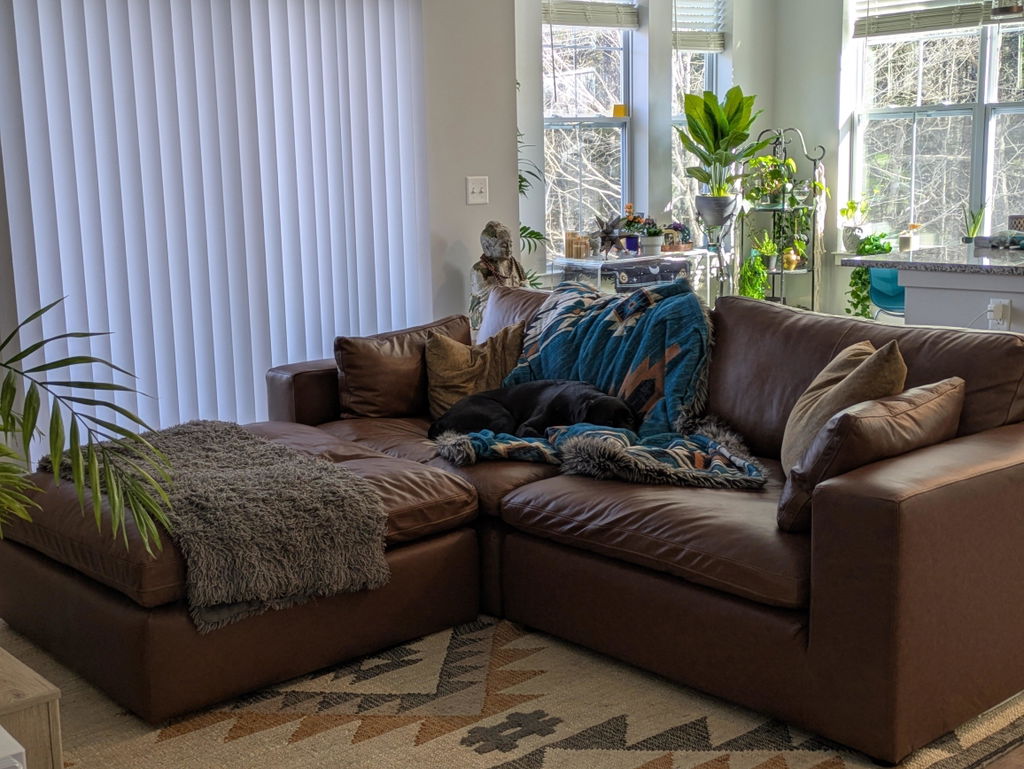

A living room usually tells on itself fast. If the sofa is too small, everyone notices. If the coffee table is all sharp corners and no function, you feel it every day. So when people ask what is the best living room furniture, the real answer is not one perfect style or one viral piece. It is the mix of furniture that fits your space, supports your routine, and still looks good after the excitement of buying it wears off.
For most homes, the best living room furniture balances three things at once: comfort, scale, and flexibility. That matters whether you are furnishing your first apartment, upgrading a family room, or replacing mismatched pieces with a setup that finally feels pulled together.
What Is the Best Living Room Furniture for Real Life?
The best living room furniture is furniture you will actually enjoy using every day. That sounds obvious, but shoppers often get pulled toward trend alone. A low-profile designer sofa may look incredible online, but if you like deep seats, lounge-friendly cushions, and room for movie nights, it may not feel right once it arrives.
A better approach is to start with how your living room works. Is it your main TV room? A formal space for guests? A family hub with kids, pets, snacks, and daily traffic? Your answers shape what "best" means. In a busy household, performance fabric, modular seating, and durable tables usually beat delicate statement pieces. In a smaller apartment, compact silhouettes and multifunctional storage matter more than oversized designs.
That is why the strongest living rooms are built around anchor pieces that do more than one job. A sectional creates seating and visual structure. A storage coffee table adds surface space and helps control clutter. An accent chair can round out the layout without making the room feel crowded.
Start With the Sofa or Sectional
If there is one piece that defines the room, it is the main seat. For many shoppers, that means a sofa. For others, it means a sectional, especially if comfort is the priority.
A standard sofa works well when you want a cleaner footprint or need more flexibility in layout. It is often the smarter pick for narrow rooms, smaller homes, or people who want to pair seating with chairs and ottomans. A sectional, on the other hand, gives you more lounge space and can make a room feel finished faster. It is especially useful for open-concept homes where the furniture also helps define the living area.
This is where trade-offs matter. A sectional gives more seating, but it can dominate a room if the scale is off. A sofa is easier to move and restyle, but it may not offer the same sink-in comfort for larger households. If your living room needs to do a lot, modular seating is often the most practical middle ground because it adapts over time.
Seat depth matters too. If you like curling up, stretching out, or hosting casual hangouts, deeper seating tends to win. If you prefer a more upright sit for conversation or need something easier for older family members to get in and out of, a medium-depth sofa may feel better long term.
The Best Living Room Furniture Usually Includes Layers
One reason some rooms feel polished while others feel unfinished is layering. The best living room furniture is rarely just a couch and a table. It is a set of pieces that work together in a way that feels comfortable and intentional.
A coffee table should do more than fill the center of the room. It should match the seating scale, leave enough clearance for movement, and support how you use the space. If you eat in the living room, work from the couch, or need hidden storage, choose function first. If the room is tight, nesting tables or a smaller round table can keep traffic flow easier.
Accent chairs are another smart layer. They can add contrast, extra seating, and shape to a room without requiring a full redesign. The best chair for your living room is not always the boldest one. It is the one that fits the room and still feels inviting after twenty minutes, not just twenty seconds.
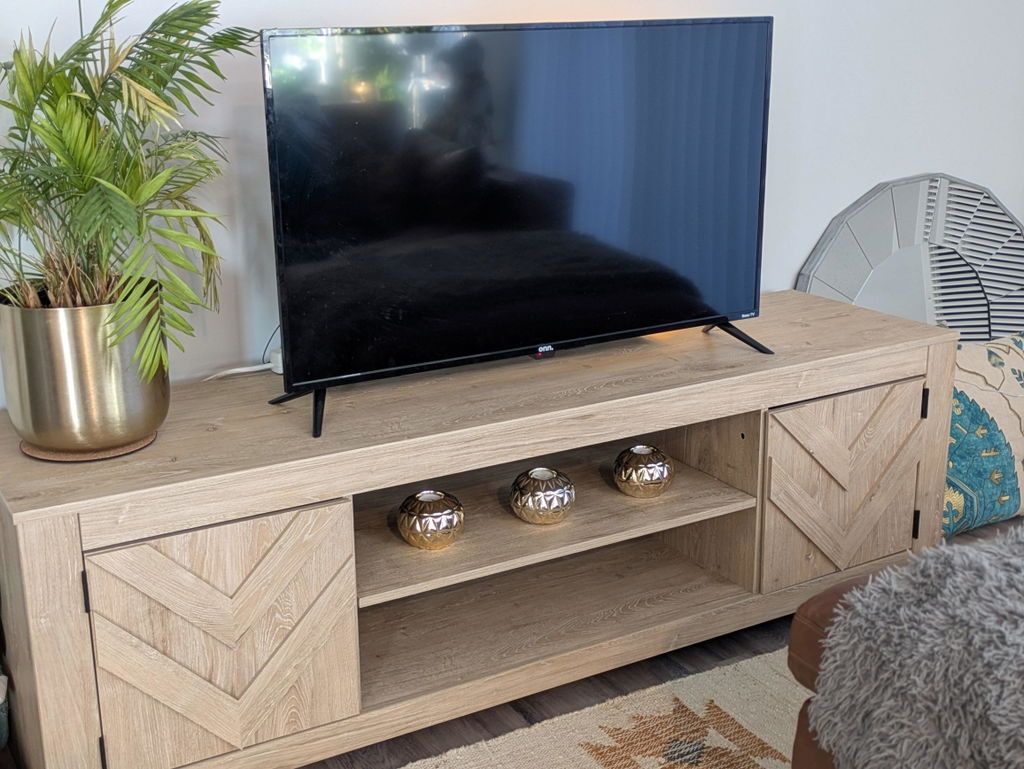
Then there is the media console, sideboard, or storage cabinet. These pieces are often overlooked, but they do a lot of quiet work. They ground the wall, organize electronics, hide clutter, and make the room feel less temporary. If your living room doubles as storage for blankets, games, or kids' items, furniture with built-in organization is usually a better investment than a more decorative piece with no utility.
Comfort Is Not a Bonus - It Is the Standard
A beautiful living room that no one wants to sit in misses the point. Comfort should be built into every major choice, not added later with throw pillows.
That starts with upholstery. If you have pets, kids, or high daily use, easy-care fabrics are worth prioritizing. Lighter colors can still work, but they should be paired with practical materials. If your living room is more occasional, you may have more freedom to choose softer textures or statement upholstery.
Cushion construction also affects satisfaction more than many shoppers expect. Some people want a tailored look with firmer support. Others want that cloud-like feel that encourages long, lazy evenings. Neither is better across the board. It depends on how you live and how much maintenance you are willing to accept. Softer, sink-in seating often feels luxurious, but it may require more fluffing and reshaping over time.
This is why comfort-driven furniture continues to lead in real homes. People want spaces that feel livable, not staged. Deep sectionals, modular pieces, oversized ottomans, and inviting textures keep winning because they match how people actually relax.
What Is the Best Living Room Furniture for Small Spaces?
In a smaller room, the best living room furniture does not try to do everything at once. It picks its role and performs well.
A compact sofa with clean arms can often fit better than a bulky loveseat. A storage ottoman may work harder than a traditional coffee table. Open-leg furniture can make a room feel lighter, while oversized pieces that sit heavily on the floor may visually shrink the space.
Scale is everything here. Many people buy too small because they fear overcrowding, then end up with a room that feels disconnected. Others buy too large and lose circulation. The sweet spot is furniture that feels generous but leaves enough breathing room around it.
In apartments and first homes, room sets can make this easier. Instead of guessing whether different finishes, proportions, and styles will work together, a coordinated collection helps create instant cohesion. For shoppers who want a faster path to a finished room, that convenience matters.
Style Matters, but Cohesion Matters More
A lot of shoppers ask for the best living room furniture when what they really want is the best-looking living room. Fair enough. But style is not just about individual pieces. It is about how those pieces relate.
If your sofa is soft and oversized, pairing it with an ultra-fragile glass table may create tension you feel every day. If your room already has strong architectural lines, curved seating or textured upholstery can soften it. If your palette is neutral, shape and material become more important than color.
Modern furniture tends to work well for a reason. It is flexible, clean, and easy to build around. That does not mean your room has to look plain. It means you can create a current look without locking yourself into something that will feel dated quickly.
This is where curated shopping helps. When furniture is grouped by collection, lifestyle, or room type, it becomes much easier to find pieces that naturally belong together. Retailers like Dreamee Home make that process feel simpler by combining trend-forward design, accessible pricing, and room-ready options that take some of the guesswork out of furnishing.
Budget Should Shape the Plan, Not Lower the Standard
The best living room furniture is not always the most expensive. Usually, it is the furniture that gives you the right mix of comfort, durability, and style for the price.
If your budget is limited, spend most of it on the seating. A good sofa or sectional will affect your daily experience far more than a decorative accent piece. You can build around it over time with tables, rugs, and decor. If your budget is larger, that does not mean every piece needs to be premium. It means you can choose where better materials or larger scale will matter most.
Financing can also make a difference when you are furnishing a full room rather than buying one piece at a time. For many households, that means getting the layout they actually want now instead of settling for temporary solutions that need replacing later.
The most satisfying purchases usually come from being honest about your priorities. If comfort is number one, buy for comfort. If family durability comes first, let that lead. If you want a room that feels elevated but still easy to live in, look for furniture that blends current design with practical use.
The best living room furniture is the kind that makes your home feel easier to enjoy the moment you walk in. Choose pieces that fit your life now, leave room for change later, and make everyday comfort feel like money well spent.