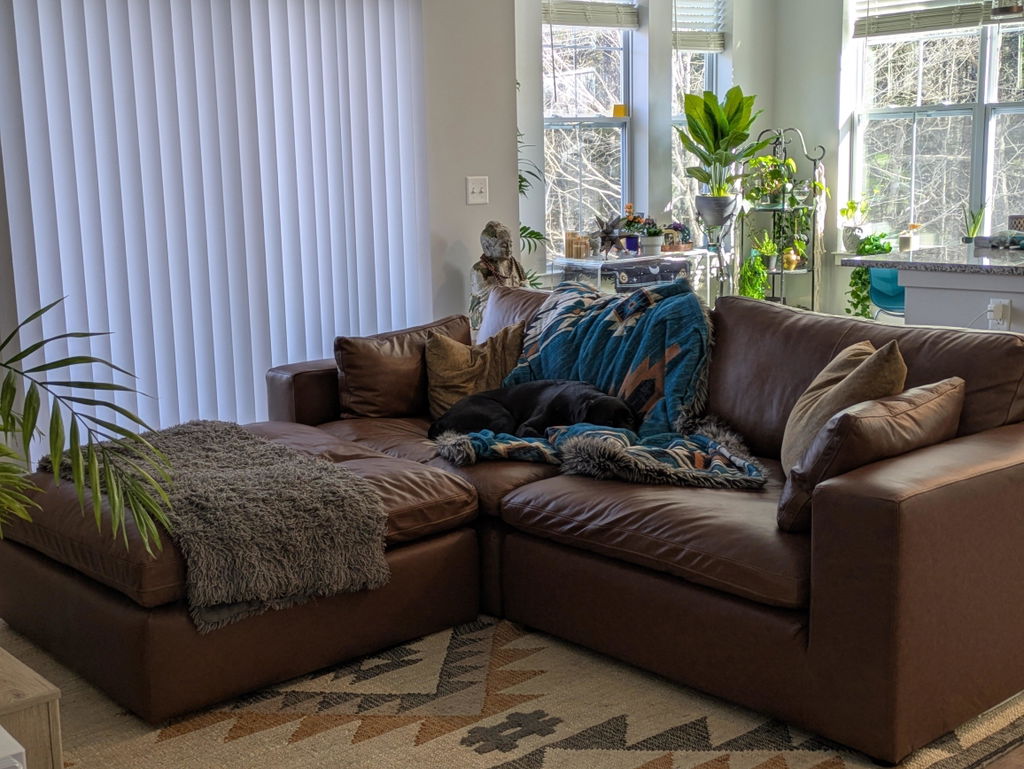

A modular sectional sofa can fix a room faster than almost any other furniture piece. If your living room has to handle movie nights, naps, guests, kids, pets, and the occasional work-from-home afternoon, flexibility matters. That is exactly why modular seating keeps showing up in more homes - it adapts to real life instead of forcing your space to work around one fixed layout.
For a lot of shoppers, the appeal starts with looks. Modular sectionals have that clean, modern profile people want right now, especially in open-concept homes and apartments where the sofa becomes the visual center of the room. But style is only half the story. The bigger win is that you can build a setup that fits your room, your routine, and your budget without settling for a one-size-fits-all couch.
Why a modular sectional sofa works so well
Traditional sofas are simple, but they are also limiting. You get one shape, one size, and one layout. A modular sectional sofa gives you more control because it is made from separate pieces, often including armless chairs, corners, ottomans, and chaise units that connect together in different ways.
That flexibility is useful whether you live in a small apartment or a larger family home. In a tighter space, modular seating can help you make the most of every inch without overfilling the room. In a bigger living room, it helps create a generous seating area that still feels intentional instead of oversized.
It also makes moving less painful. If you have ever tried to maneuver a massive one-piece sectional through a narrow staircase or apartment entry, you already know the problem. Modular pieces are easier to carry, easier to position, and often easier to rework if you move to a new place later.
How to choose the right modular sectional sofa
The best place to start is not fabric or color. It is the room itself. Measure the wall length, the open floor area, and the paths people use to walk through the room. A sectional that looks perfect online can feel too bulky if it blocks traffic or crowds the coffee table.
A good rule is to leave enough space around the sofa so the room still breathes. You want comfort, but you also want movement. If your living room doubles as a pass-through space, a lower-profile modular setup may work better than a deep, oversized arrangement.
Then think about how you actually sit. Some people want a structured seat that feels supportive and upright. Others want that sink-in, lounge-all-day feeling. Neither is better. It depends on whether your sofa is mostly for entertaining, everyday family use, or total relaxation.
Seat depth matters more than many shoppers expect. A deep seat feels relaxed and inviting, especially with extra pillows, but shorter users may find it less supportive for everyday sitting. A shallower seat usually feels neater and more upright. If more than one person in the home uses the space differently, a modular design with a chaise or ottoman can balance both needs.
Layout ideas for different homes
One of the biggest advantages of modular seating is that it gives you layout options without asking you to redesign the whole room.
Modular sectional sofa for apartments
In an apartment, a compact L-shape is usually the smartest move. It defines the living area, offers more seating than a standard sofa, and still keeps the room open enough to feel comfortable. A chaise on one end can add a lounging spot without requiring the footprint of a larger U-shaped setup.
For studio or loft spaces, modular pieces can also help separate zones. A sectional can subtly divide the living room from the dining area or workspace while keeping the overall look cohesive.
Modular sectional sofa for family rooms
In a family room, bigger configurations start to make sense. A modular arrangement with multiple seats and an ottoman can create a casual, relaxed center for the home. This is where movie nights happen, kids pile on with blankets, and guests naturally gather.
If your household changes often - maybe you host relatives, rotate furniture seasonally, or like to refresh the room - modular construction gives you room to adjust. You can break up pieces, shift the chaise, or open the layout when needed.
Modular sectional sofa for open-concept spaces
Open-concept homes need furniture that does more than just fill space. A sectional has to anchor the living zone and make it feel finished. A modular setup works well here because it can create definition without adding visual clutter.
Look for a shape that frames the seating area while still leaving clear access to the dining space, kitchen, or hallway. In larger rooms, a U-shape can feel welcoming and substantial. In medium rooms, a roomy L-shape often gives the best balance.
Fabric, color, and everyday durability
Once the size and layout are right, then the fun part starts. Fabric and color will shape both the look and the maintenance level of your sofa.
If your home is busy, performance-style upholstery or easy-care fabric is worth serious attention. Households with kids, pets, or frequent guests usually do better with materials that handle spills, everyday wear, and repeat cleaning. Soft textures are appealing, but practicality matters too, especially if this is the main seat in the house.
Color depends on how you want the room to feel. Cream, beige, light gray, and soft taupe create that bright, airy look many shoppers want right now. They can make a room feel larger and more relaxed. The trade-off is upkeep. Lighter shades may need more regular care, especially in high-traffic homes.
Darker tones can be easier to live with and bring more contrast to the room. Charcoal, deep gray, and earthy browns tend to hide wear better while still feeling modern. If you want a middle ground, warm neutrals usually offer the most versatility. They work with changing decor, seasonal accents, and different rug styles without locking you into one look.
Comfort features worth paying for
Not every modular sofa is built the same, even if the photos look similar. Cushion fill, frame construction, and seat support all affect how the sofa feels after a few months of real use.
If comfort is the top priority, pay attention to cushion style. Down-blend and plush-filled seats usually feel softer and more relaxed, but they may require more fluffing. Higher-resilience foam often gives a cleaner shape and stronger support over time. The best choice depends on whether you want a lounge feel or a more tailored seat.
Back height also plays a role. Lower backs look sleek and current, but taller backs may feel better for extended sitting. Arm style matters too. Wide track arms can look substantial and modern, while slimmer arms save space in tighter rooms.
This is where shopping with a retailer that focuses on comfort-driven living room furniture can really help. Curated options, clear dimensions, and room-friendly styles make the process easier, especially when you are trying to balance price, delivery timing, and everyday comfort.
What a modular sectional sofa costs
Price can vary a lot based on size, materials, brand, and configuration. That is why it helps to think in terms of value instead of just the lowest number.
A modular sectional sofa often gives you more seating and more flexibility for the money than buying multiple separate pieces. You are also investing in adaptability. If your needs change, many modular setups can change with you. That makes the purchase feel smarter over time.
For budget-conscious shoppers, the sweet spot is usually a design that looks elevated, feels comfortable, and covers the essentials without pushing into luxury pricing. Many people want that cloud-like look, durable upholstery, and enough room to stretch out, but they also want financing options, dependable delivery, and pricing that feels realistic.
That is part of why modular seating has become such a strong choice for modern homes. It gives you a polished, trend-forward look without requiring a custom-design budget.
Common mistakes to avoid
The most common mistake is going too big. Bigger is not always better, especially if it makes the room feel crowded or cuts off natural movement. A sofa should support the space, not dominate it.
Another mistake is choosing style before function. A beautiful sectional that does not fit your daily routine will wear on you quickly. If you like to sprawl, choose enough depth. If you host often, make sure the layout encourages conversation. If your room changes often, prioritize pieces that can be rearranged easily.
Finally, do not overlook delivery details. Measuring the room is only part of the job. Measure hallways, staircases, elevators, and entry doors too. Fast nationwide delivery is a real benefit, but only if the sofa can get into your home without surprises.
A well-chosen modular sectional sofa does more than fill a corner. It makes your living room easier to use, easier to love, and easier to grow with over time. When comfort, layout flexibility, and accessible pricing all line up, upgrading your space starts to feel a lot less complicated.