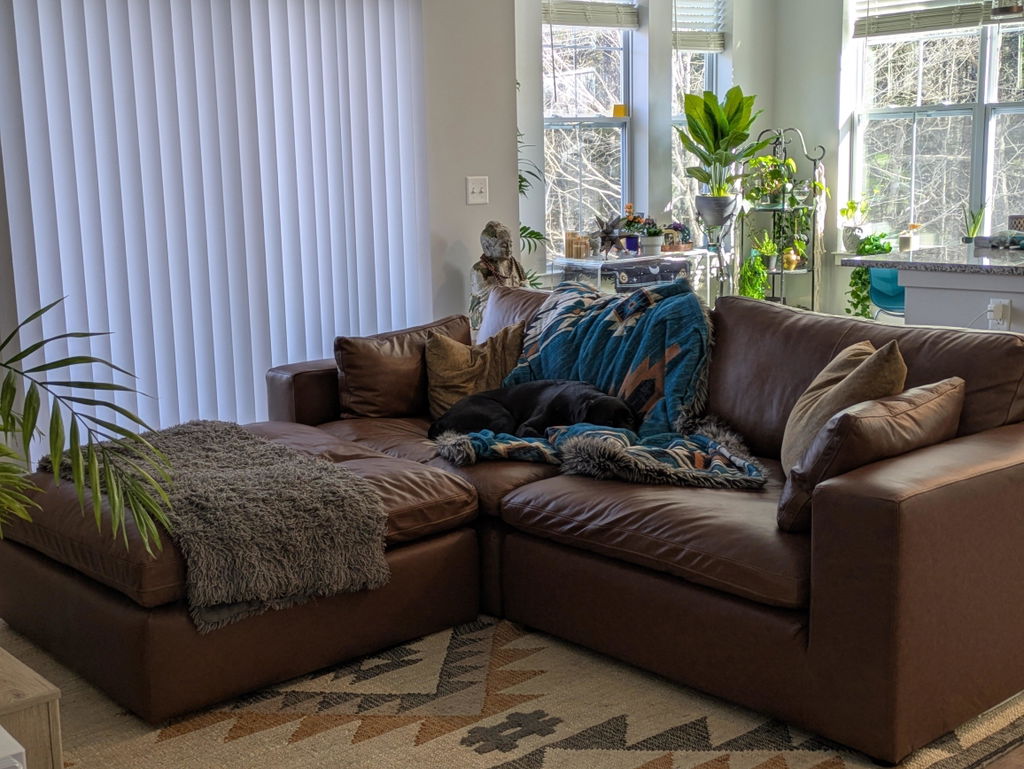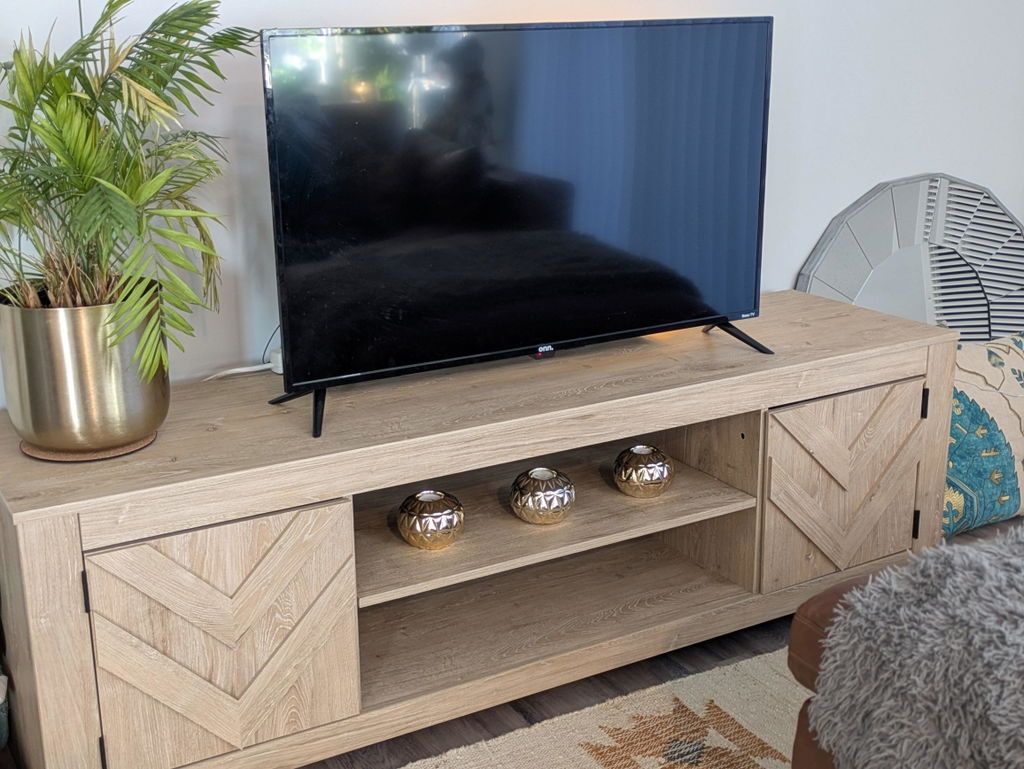

A bedroom can have a beautiful bed, a new rug, and plenty of decor yet still feel like it was assembled one purchase at a time. The difference is a clear plan. Learning how to build a cohesive bedroom means making every major choice - from the bed frame to the lampshades - feel connected, comfortable, and intentional.
You do not need a designer budget or a perfectly matched furniture set to get there. You need a few repeatable decisions that give the room a visual rhythm. Start with the pieces you use every day, choose materials and colors that support one another, then add the softer layers that make the room feel personal.
Start With One Bedroom Anchor
Every cohesive bedroom needs a starting point. In most rooms, that is the bed because it takes up the most visual space and sets the tone for everything around it. A channel-tufted upholstered bed feels polished and soft, while a warm oak platform bed leans relaxed and organic. A black metal frame can give a room a clean, modern edge.
Choose the feeling before you choose the finish. If your goal is a calm retreat, look for rounded shapes, warm neutrals, soft upholstery, and natural textures. If you prefer a more tailored look, consider a structured headboard, deeper wood tones, or contrast between light bedding and dark furniture.
This does not mean every item has to match the bed exactly. In fact, a room filled with one wood tone and one fabric can look flat. Your anchor simply gives you a reliable point of reference. Once the bed is selected, ask whether each new piece supports its mood, color family, or silhouette.
Build a Cohesive Bedroom With a Simple Color Plan
The fastest way to make a bedroom feel pulled together is to limit the number of colors competing for attention. A practical formula is one main neutral, one supporting tone, and one accent color. For example, use soft ivory on the walls and bedding, light oak for furniture, then add muted olive through pillows, art, or a throw.
For a moodier bedroom, try charcoal or walnut as the grounding shade, creamy textiles to lighten the room, and a small amount of rust, blue, or brass for warmth. The accent should appear at least twice so it feels deliberate. A single green pillow can look accidental; green pillows paired with artwork or a bedside vase look connected.
Color does not have to come from paint. Wood, upholstery, rugs, curtains, and even lamp bases carry color. Renters can create a strong palette without changing the walls by using bedding and an area rug as their largest color moments.
When choosing finishes, aim for a relationship rather than a perfect match. A light oak dresser can sit beautifully beside a beige upholstered bed because both feel warm and understated. A glossy white nightstand beside a distressed farmhouse bed may feel less convincing unless another crisp, modern element ties the contrast together.
Choose Furniture That Shares a Design Language
Matching bedroom sets are an easy route to cohesion, especially when you are furnishing a room quickly. A coordinated bed, dresser, and nightstands take the guesswork out of scale and finish, and they can offer excellent value compared with buying each piece separately.
But a full set is not the only answer. Mixed furniture can look more collected when it shares two or three qualities. You might pair a walnut dresser with cream nightstands if each has simple lines and brushed brass hardware. Or use different wood pieces with similar undertones, such as honey oak and medium walnut, then repeat black metal in the lamps and mirror frame.
Pay close attention to scale. Nightstands should feel substantial enough beside the bed, rather than looking like tiny tables pushed against a large upholstered headboard. As a general guide, nightstand surfaces should sit close to mattress height, usually within a few inches. A dresser should also leave enough walking space to open drawers comfortably.
If the room is compact, prioritize furniture that earns its footprint. A storage bed can reduce the need for bulky bins, while a tall dresser gives you vertical storage without taking over the floor. For larger rooms, a bench at the foot of the bed or a small accent chair can make the layout feel finished, provided it does not block natural pathways.
Create Balance Around the Bed
Symmetry is not mandatory, but balance matters. Two matching nightstands and table lamps create an instantly calm, hotel-inspired look. It is an especially good choice for couples or anyone who wants the room to feel orderly with minimal styling effort.
An asymmetrical setup can be just as cohesive when it is intentional. You may use a nightstand on one side and a small dresser on the other, or pair a table lamp with a wall sconce. Keep one connecting element consistent, such as height, finish, or lamp shade color. Without that shared thread, the setup can feel like a temporary arrangement rather than a design choice.
The same principle applies to wall decor. Center a large art piece over the bed, or use a pair of prints with equal spacing. If you prefer a gallery wall, repeat frame finishes and keep the overall shape contained. The goal is not perfect sameness. It is giving the eye a place to rest.
Layer Textiles Instead of Buying More Decor
A bed is often the room's largest styling opportunity, and layered textiles can make even a simple frame look more elevated. Start with sheets and a duvet or quilt in your main color palette. Add one textural layer, such as a knit throw, linen coverlet, or quilted blanket, then use pillows in varied sizes and materials.
Avoid turning the bed into a pile of decorative pillows you have to move every night. Two sleeping pillows, two larger shams, and one lumbar pillow or a pair of accent pillows is often enough. The right amount depends on your bed size and how much daily maintenance you want.
An area rug brings furniture and textiles together, particularly in bedrooms with hard flooring. It should be large enough to extend beyond the sides and foot of the bed, so your feet land on something soft in the morning. For a queen bed, an 8-by-10 rug is often the easiest choice. In a tighter room, runners on each side can work well, though they create a more tailored, less enveloping look.
Curtains also matter more than many shoppers expect. Hang them high and wide to make windows feel larger, and choose a fabric that echoes the room's softness. Blackout panels support better sleep, while sheers add an airy finish. Layering both offers flexibility if your budget allows.
Use Lighting to Add Warmth and Function
One ceiling light rarely makes a bedroom feel inviting. Layered lighting gives you a better atmosphere and helps the room work for different routines. Use overhead lighting for getting dressed, bedside lamps or sconces for reading, and a softer accent light for a relaxed evening mood.
Keep bulb temperatures warm, generally around 2700K, to avoid a harsh blue cast. If your bedroom includes brass hardware, black frames, or natural wood, repeat that finish in a lamp base or sconce to create another subtle connection.
In a small bedroom, wall-mounted sconces can free up nightstand space. In a larger room, a floor lamp near a chair or dresser fills an empty corner while making the layout feel more complete.
Edit What Does Not Support the Room
Cohesion is often created through editing, not adding. Before buying another decorative object, look at what is already in the room. Remove items that do not serve a purpose, fit the color plan, or make you feel good when you see them.
Keep a few personal details visible: a favorite framed photo, a stack of books, a ceramic tray for jewelry, or a meaningful piece of art. These touches prevent a bedroom from looking like a showroom. The key is to group them rather than scattering small items across every surface.
Storage plays a major role here. A lidded basket, a nightstand with drawers, or a dresser that meets your actual clothing needs keeps visual noise out of sight. A cohesive room is not one with nothing in it. It is one where everyday belongings have a home.
If you are furnishing from scratch, buying key pieces from one curated destination can make the process faster and less stressful. Dreamee Home makes it easier to compare bedroom furniture, room-ready styles, and comfort-focused options while staying mindful of your budget and delivery needs.
Give your bedroom permission to come together in stages. Start with the bed, storage, and lighting, then live with the room before choosing every final accent. The most cohesive bedroom is not the one that looks copied from a catalog. It is the one that supports your routines, reflects your taste, and feels good to come home to every night.