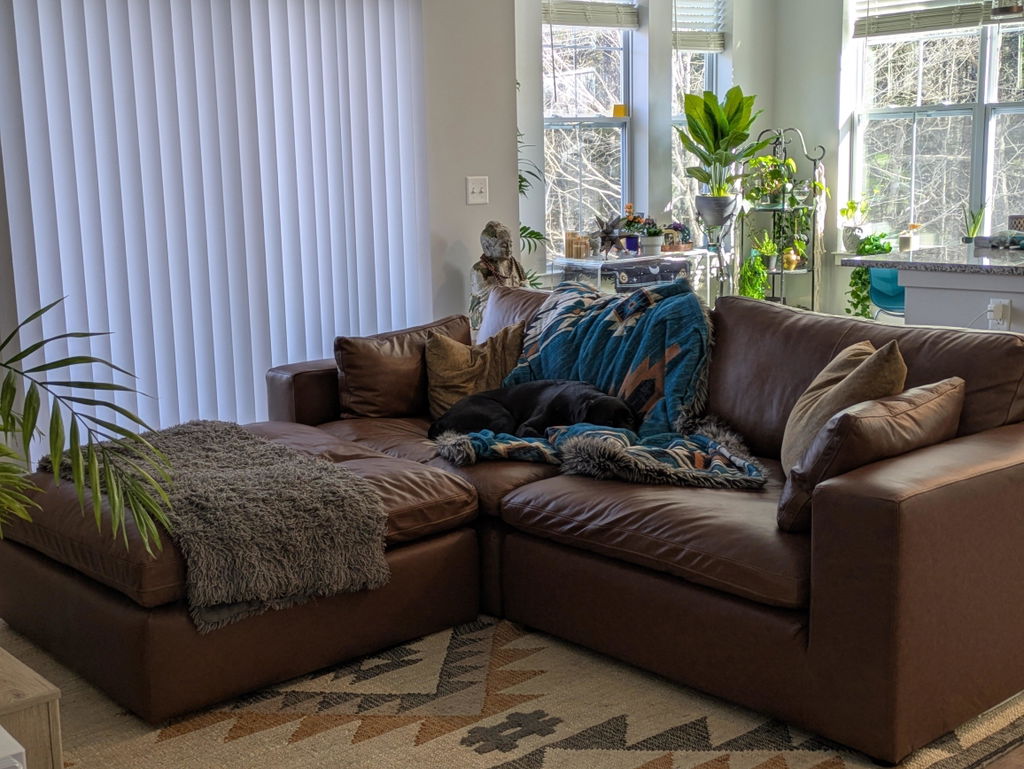

You can spot a bad sofa decision fast. It shows up as a couch that swallows the room, fabric that feels wrong by week two, or delivery details you only notice after checkout. A smart guide to online sofa shopping helps you avoid all of that before you spend a dollar.
Buying a sofa online should feel easier, not riskier. You have more styles, more price points, and more ways to compare than you would in most showrooms. But the trade-off is simple: you need to know what to look for. Once you understand sizing, materials, construction, and delivery terms, shopping online becomes much more straightforward.
A practical guide to online sofa shopping starts with your room
The first mistake most shoppers make is falling for the photo before checking the scale. A sofa can look perfectly sized on a product page and still feel oversized in an apartment living room or too small in an open-concept family space.
Start with the width of the wall, then measure how much walking room you need around the sofa. In most homes, you want enough clearance so the room still feels easy to move through. If you are shopping for a sectional, measure both the overall footprint and the chaise or return side. Right-arm and left-arm orientation matter more online because you cannot walk around the piece in person.
Ceiling height and window placement matter too. A low-profile sofa can make a small room feel more open. A taller back can be great for support, but in tighter spaces it may visually crowd the room. If you are furnishing a multi-use room, think beyond the sofa itself. Coffee table distance, TV viewing angle, and nearby dining or work areas all affect what size will actually work.
Choose the sofa type that fits real life
The best-looking sofa is not always the best sofa for how you live. That is where many online purchases go wrong. Start with use case first, then style.
If your sofa is for daily lounging, movie nights, and weekend naps, comfort should lead the decision. Deep seats, plush cushions, and soft upholstery are usually a better match than a very upright, tailored silhouette. If your living room is more formal or you need easier entry and exit, a medium-depth seat with firmer support may be the better fit.
Sectionals make sense for bigger households, open living rooms, and anyone who wants more stretch-out space without adding multiple seating pieces. Modular sofas are especially useful if you like flexibility or expect to move, since separate pieces are easier to fit through doorways and reconfigure later. Standard three-seat sofas still work beautifully for smaller rooms, apartments, and homes where you want a cleaner layout.
Sleeper sofas, performance fabric couches, and family-friendly sectionals all solve different problems. There is no universal best option. It depends on whether you are furnishing for guests, pets, kids, entertaining, or everyday comfort.
Read dimensions like a buyer, not a browser
Online furniture pages give you numbers, but numbers only help if you know how to interpret them. Overall width is the headline measurement, but seat depth, seat height, and arm width often matter more for comfort.
A deeper seat usually feels more lounge-friendly, especially if you like to curl up or layer pillows. A shallower seat can be more supportive for shorter sitters or anyone who prefers a more upright posture. Seat height changes the feel too. A very low sofa can look modern and relaxed, but it may not be ideal for every household.
Pay attention to inside seating width if more than one person will regularly use the sofa at once. Wide arms can eat into actual sitting space. For sectionals, look closely at the full assembled dimensions rather than assuming each piece is proportional.
Before ordering, tape the sofa footprint onto your floor. It takes ten minutes and can save you from buying a piece that looks great online but overwhelms the room.
Fabric, leather, and performance materials each have trade-offs
Upholstery is where comfort, maintenance, and style all meet. The right choice depends on how your home functions.
Polyester blends and performance fabrics are popular for good reason. They tend to be durable, easier to maintain, and well suited for homes with kids or pets. They also come in many textures, from soft woven finishes to more structured looks. If you want a cloud couch feel, fabric softness becomes a major factor, so read texture descriptions carefully.
Velvet brings a richer, more elevated look, but the finish can show marks and direction changes depending on the pile. Faux leather and genuine leather are easier to wipe down, though they wear differently over time and can feel warmer or cooler depending on the season. Linen-look upholstery has a relaxed, airy style, but lighter tones may require more upkeep.
Color matters beyond aesthetics. Cream and ivory can brighten a room and create that airy, collected look many shoppers want, but darker neutrals, taupes, and textured grays are often more forgiving in busy homes. If you are choosing for longevity, think about what your sofa will look like after everyday use, not just on delivery day.
Cushion fill and frame quality affect comfort more than photos do
A sofa can look plush in pictures and still sit stiff. It can also look structured and turn out surprisingly comfortable. That is why product details matter.
Foam cushions usually offer a more supportive, consistent seat. Down-blend or feather-blend cushions feel softer and more relaxed, but they may need more fluffing to keep their shape. If you love that sink-in, casual look, that maintenance may be worth it. If you want a neater appearance with less upkeep, a foam-based seat often makes more sense.
Frame construction is easy to overlook, but it supports long-term value. Solid wood and reinforced joinery generally hold up better than lighter, less substantial builds. Suspension systems matter too, especially if this is your main living room sofa. The product page may not read like a design magazine, but those details tell you a lot about whether a sofa is built for everyday use or occasional seating.
Price is only part of the value
A low sticker price is appealing, but it is not the whole equation. A better online sofa purchase is the one that balances style, comfort, durability, and service.
Look at what is included in the final cost. Delivery fees, threshold service, white glove options, assembly support, and financing can all affect the real value of the purchase. For many shoppers, flexible monthly payments make it easier to buy the sofa they actually want instead of settling for a temporary fix. Fast nationwide delivery can matter just as much as the base price if you are furnishing on a timeline.
It also helps to shop with retailers that offer recognized brands, clear specifications, and strong promotional pricing. Authorized retailers, lowest-price guarantees, and cart-based savings build confidence because they reduce the guesswork. That is especially useful when you are comparing trend-forward sectionals, modular designs, and room-ready collections online.
The guide to online sofa shopping most people skip: delivery and returns
This is the part shoppers rush through, then regret later. Before you place an order, confirm how the sofa arrives and what you are responsible for.
Check delivery timing, whether the piece ships in multiple boxes, and if assembly is required. A modular sofa may be easier to move in, while a fully assembled sofa can be tougher in homes with narrow hallways, stairs, or elevators. Measure your doorway, entry path, and any tight turns just as carefully as you measure the room itself.
Return policies deserve close attention too. Large furniture returns are rarely as simple as sending back a pair of shoes. Review the return window, restocking fees if any, and what condition the item must be in. The more expensive the purchase, the more important these terms become.
Reviews help, but only if you read them the right way
Customer reviews can tell you a lot, but they are most useful when you look for patterns instead of one-off reactions. If multiple buyers mention the same comfort level, fabric feel, color accuracy, or assembly issue, that is usually meaningful.
Photos from real homes are often more useful than polished product imagery. They show how the sofa sits in normal lighting, how bulky or streamlined it feels, and whether the color runs warmer, cooler, lighter, or darker than expected. If the style looks good across different spaces, that is a strong sign it is versatile enough to work in your home too.
A good online sofa purchase is rarely about finding a perfect product. It is about finding the right fit for your room, your routine, and your budget. When the details line up - size, comfort, fabric, service, and price - buying online becomes less of a gamble and more of a smart upgrade. If you shop with that mindset, your next sofa can feel like it was chosen with confidence, not crossed fingers.