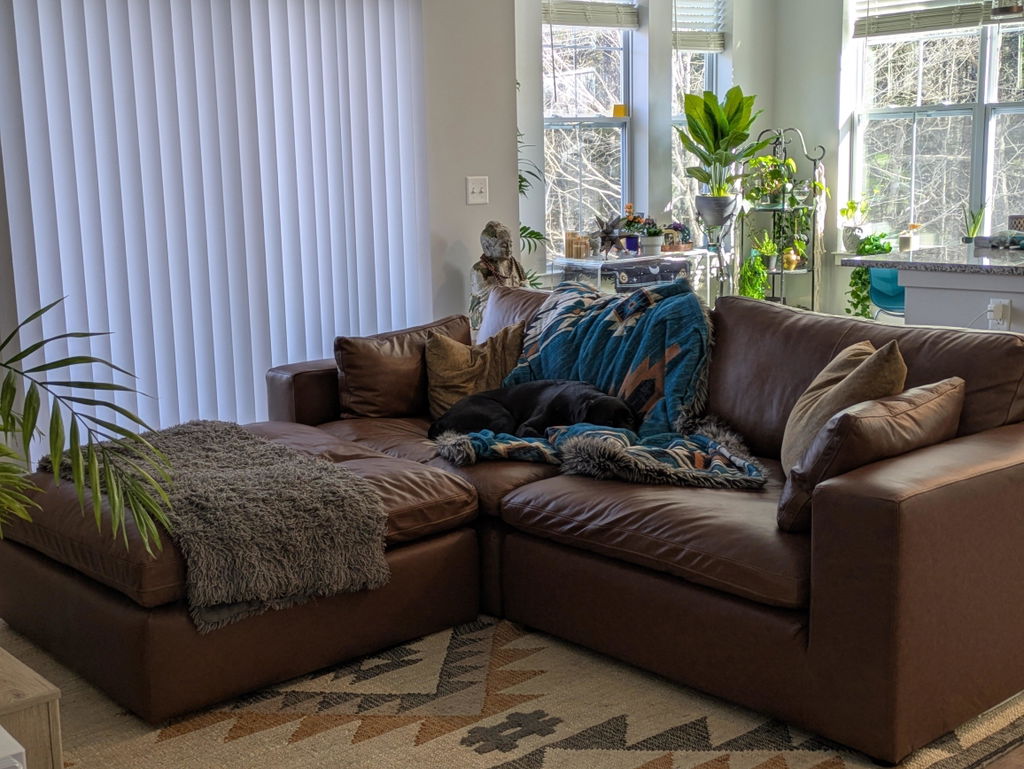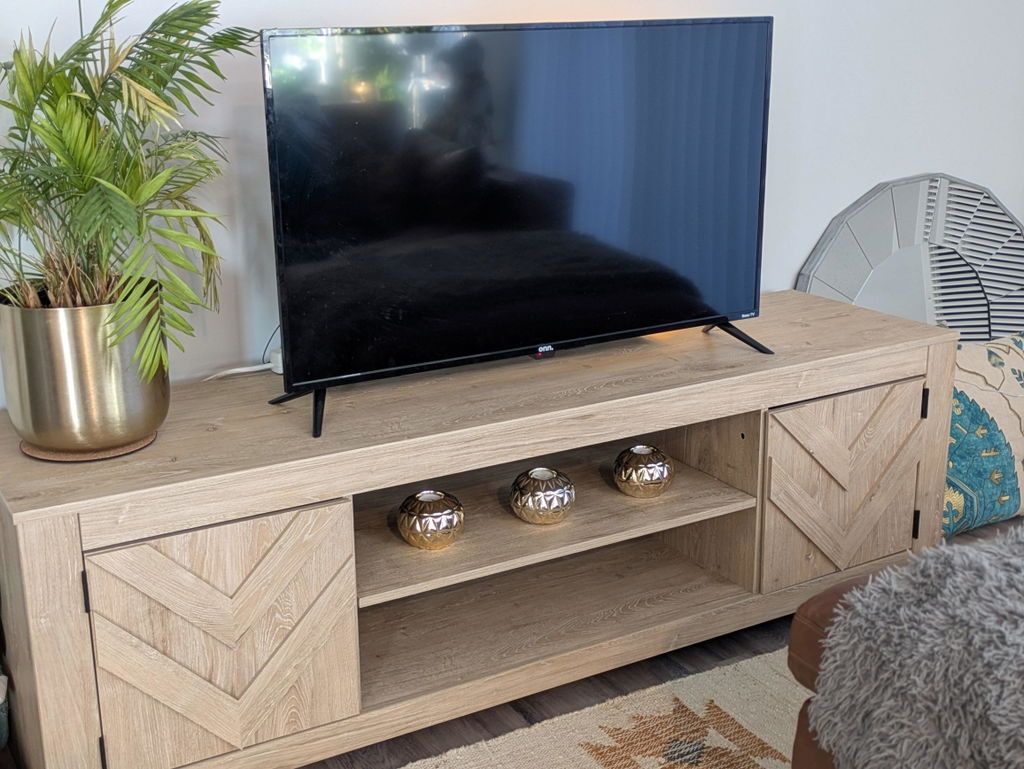

A rug that is too small can make a beautiful sectional look like it is floating in the middle of the room. A rug that is too large can hide the layout you worked hard to create. This guide to choosing area rugs makes the decision easier, whether you are furnishing a first apartment, refreshing a family room, or pulling together a complete home.
The right area rug adds softness underfoot, defines a seating zone, quiets busy rooms, and gives your furniture a more finished look. The goal is not to find the most expensive option. It is to choose a size, material, and style that feels good for the way your home is actually used.
Start With Rug Size, Not Color
Color gets attention first, but size has the biggest impact on how a room feels. Before browsing patterns and textures, measure your seating area, bed, or dining table. Use painter's tape on the floor to map out a few sizes. It is a quick way to see whether the rug will anchor the room or disappear beneath it.
For most living rooms, a larger rug is usually the better choice. Ideally, the front legs of your sofa, sectional, and accent chairs should rest on the rug. This creates one connected conversation area, especially in open-concept homes where the rug helps separate the living space from the dining area or kitchen.
An 8-by-10 rug works well in many standard living rooms, while a 9-by-12 can make a larger room or a spacious modular sectional feel more grounded. A 5-by-8 rug may work in a compact apartment, but it should still extend beyond the width of the coffee table and reach the front feet of your seating when possible.
Living Room Rug Placement
If all furniture legs fit on the rug, the look feels generous and polished. If that is not practical, place at least the front legs of the sofa and chairs on it. Avoid a rug that sits only under the coffee table with empty floor between the rug and every piece of seating. That arrangement often makes the room feel smaller rather than cozier.
For a sectional, choose a rug that fills the open area within the L or U shape while extending under the front edge of the seating. Round rugs can also soften a room with lots of straight-lined furniture, particularly when paired with a curved coffee table or swivel chairs.
Bedroom Rug Placement
In a bedroom, the rug should give you a soft landing when you step out of bed. A king or California king bed often looks best with a 9-by-12 rug placed horizontally beneath the lower two-thirds of the bed. For a queen bed, an 8-by-10 is a popular, balanced choice.
Smaller bedrooms can use runners on both sides of the bed, or a 5-by-8 rug placed at the foot. This option keeps the floor plan open while still adding warmth and color. Make sure the rug extends far enough beyond the bed to be useful, not just decorative.
Dining Room Rug Placement
A dining room rug should be large enough for chairs to stay on the rug when pulled back. Add at least 24 inches of rug beyond every side of the table. For example, a 6-seat rectangular table usually needs an 8-by-10 or 9-by-12 rug, depending on chair size and how much clearance the room allows.
A low-pile or flatweave rug is often the smartest choice under a dining table. Chairs move more easily, crumbs are easier to clean, and the surface is less likely to catch chair legs. A round table generally looks best with a round rug, but a square or large rectangular option can work if it matches the room's overall shape.
Choose a Material That Matches Your Routine
The best rug material depends on foot traffic, pets, kids, spills, and the kind of comfort you want underfoot. A soft high-pile rug can make a bedroom feel like a retreat, but it may not be the right fit for a busy dining room. Think about where the rug will live before deciding how it should feel.
Synthetic fibers such as polyester and polypropylene are practical favorites for active homes. They are typically budget-friendly, soft, easy to care for, and available in an impressive range of colors and patterns. They are a strong option for family rooms, entryways, kids' spaces, and homes with pets.
Wool offers natural warmth, durability, and a more substantial feel. It can be a worthwhile choice for a living room or bedroom where you want a long-lasting, elevated look. Wool may shed at first and often needs more careful cleaning, so it is best for shoppers who are comfortable giving their rug a little extra attention.
Natural-fiber rugs made from jute, sisal, or seagrass bring texture and an easy, relaxed look to a room. They work beautifully with contemporary furniture, warm woods, and neutral palettes. Keep in mind that their woven surfaces can feel rougher than plush fibers, and some natural materials are less forgiving around moisture and stains.
For outdoor rooms, look for rugs designed to handle sun, moisture, and everyday messes. An outdoor rug can also be a practical option in a mudroom, covered porch, or high-traffic entry where easy care matters most.
Pick the Right Pile Height
Pile refers to the height and density of the rug fibers. It affects comfort, cleaning, and how easily furniture moves across the surface.
Low-pile rugs are flatter and easier to vacuum. They are a reliable fit for dining rooms, hallways, offices, and homes where doors need to swing freely over the rug. Flatweave styles are especially useful in smaller spaces because they add pattern without visual bulk.
Medium-pile rugs offer a comfortable middle ground. They feel softer than a flatweave while staying manageable for everyday living rooms. If you want a rug that can work with a cloud couch, coffee table, and frequent movie nights, medium pile is often a safe choice.
High-pile and shag rugs bring maximum softness. They are ideal beside the bed, in a nursery, or in a low-traffic lounge space. The trade-off is maintenance: deeper fibers can hold onto pet hair, crumbs, and dust, so they require more frequent vacuuming and may not suit every household.
Build Color and Pattern Around Your Furniture
Your rug does not have to match the sofa exactly. In fact, rooms usually look more layered when the rug complements the furniture instead of repeating the same color. Start by identifying the main tones already in the room: upholstery, curtains, artwork, flooring, and wood finishes. Then choose a rug that connects at least two of them.
A neutral rug with cream, beige, gray, taupe, or soft charcoal can make a bold sofa feel more versatile. It is also an easy choice if you like changing pillows, throws, and decor by season. For a room with neutral furniture, a rug is a smart place to introduce blue, terracotta, sage, black, or a warm multicolor pattern.
Pattern has a practical side, too. A detailed, multitone rug is more forgiving in homes with children, pets, or high traffic. Solid rugs feel calm and modern, but they show spills and marks more easily depending on the color. If your sofa has a strong print or textured upholstery, a simpler rug may keep the room from feeling too busy.
In smaller rooms, lighter shades can make the floor feel more open. That does not mean every small space needs a pale rug. A darker rug with a defined border or an oversized pattern can add depth, as long as the size is generous enough to anchor the furniture.
Do Not Skip the Rug Pad
A rug pad is a small upgrade that makes a noticeable difference. It helps prevent slipping, reduces bunching, adds cushioning, and can protect both the rug and the floor underneath. It also helps a thinner rug feel more substantial underfoot.
Choose a pad made for your flooring type, especially if you have hardwood, vinyl, or laminate. The pad should be slightly smaller than the rug so its edges do not show. In a dining room, select a thinner pad to keep chairs stable. In a bedroom or lounge area, a thicker pad can add extra comfort.
Plan for Care Before You Buy
A good-looking rug should work with your real life, not create another chore. Check the care instructions before choosing a material or pile height. If spills are part of daily life, prioritize stain-resistant fibers, washable options, or patterns that disguise minor messes between cleanings.
Vacuum regularly according to the rug's construction, rotate it every few months to balance wear, and address spills quickly by blotting instead of rubbing. Professional cleaning can help preserve larger investment pieces, particularly wool and delicate natural-fiber rugs.
At Dreamee Home, the easiest way to shop is to begin with your room dimensions and the furniture you already love. Once you know the size your layout needs, you can choose the texture and color that turn that space into a place everyone wants to settle into.