
That third-floor walk-up changes how you shop. So does a narrow hallway, a small elevator, or the strong chance that your next lease won’t have the same layout as your current one. The best furniture for renters looks good, feels comfortable, and handles real-life moves without turning every relocation into a full reset.
For most renters, the goal is simple: buy pieces you’ll actually want to keep, but avoid furniture that only works in one apartment or one floor plan. That usually means lighter profiles, modular shapes, smart storage, and finishes that can flex from studio to townhouse. You do not need to settle for temporary-looking furniture. You just need to shop with a little more strategy.
What makes the best furniture for renters?
A renter-friendly piece usually checks four boxes. It is easy to move, versatile in more than one room, sized for tighter spaces, and priced in a way that feels reasonable if your living situation changes in a year or two.
That does not always mean buying the cheapest option. In fact, ultra-cheap furniture can end up costing more if it wobbles after one move or starts looking worn too fast. A better approach is to choose furniture with lasting comfort and adaptable design, especially in the rooms you use every day. Living room seating, your bed, and your dining setup carry the most weight.
Look closely at assembly style too. Pieces that come apart cleanly are usually a safer bet than bulky items that move only as one solid unit. Removable legs, modular sections, stackable chairs, and compact silhouettes matter more than people think when move-out day arrives.
Start with seating that can adapt
If there is one category where renters should think long-term, it is the sofa. Sofas are often the hardest pieces to move, the most visible in the room, and the furniture you use most. That makes modular seating one of the smartest choices.
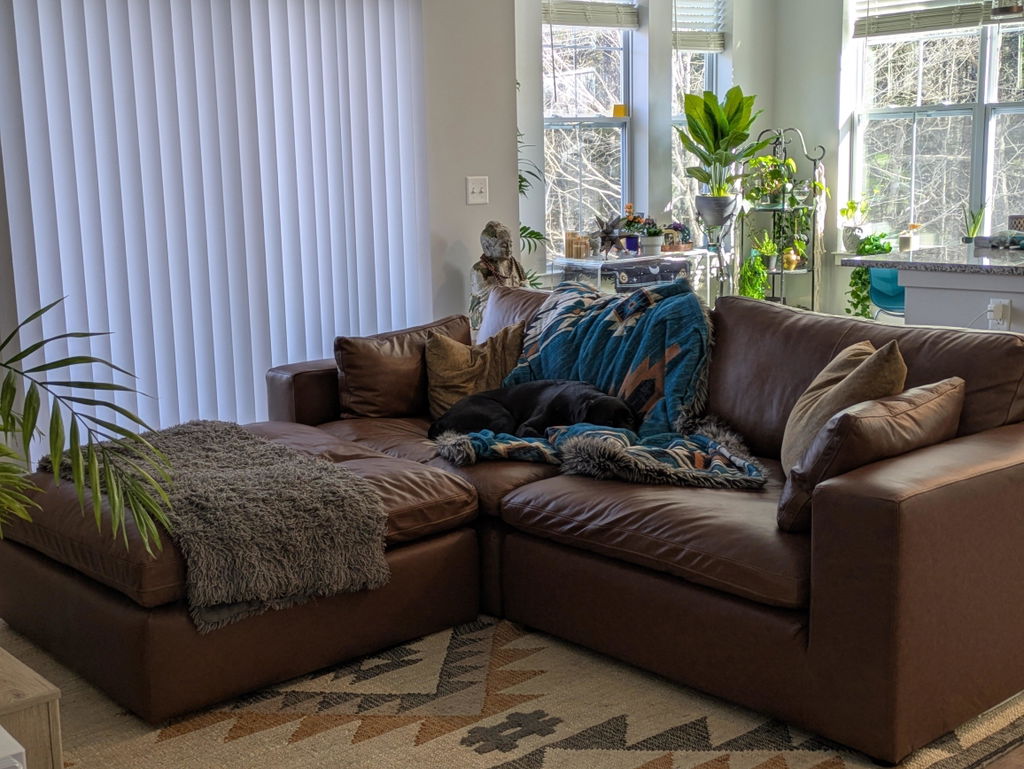
A modular sectional gives you flexibility that a traditional fixed sofa often cannot. You can reconfigure it for a new apartment, split it up if you need to work around a corner or narrow doorway, and often expand it later instead of replacing it. That matters if you are furnishing your first place now but expect to upgrade your square footage later.
Smaller-scale sectionals also work surprisingly well in apartments when the proportions are right. You want clean arms, a tighter footprint, and pieces that do not overwhelm the room. Deep comfort is still possible, but oversized does not always equal better if every inch counts.
Loveseats, apartment sofas, and modular cloud-style seating are all strong options. The trade-off is that super-soft, ultra-deep couches can dominate a small floor plan, so it helps to balance comfort with dimensions that leave enough room to move around.
Beds should work harder than they look
Bedroom furniture can either make a rental feel calm and organized or make it feel crowded fast. The best furniture for renters in the bedroom usually includes storage built in.
A storage bed is one of the easiest upgrades for apartment living because it gives you more function without adding extra pieces. Drawers underneath can replace the need for bulky plastic bins or an additional dresser, which is helpful if closet space is limited. Platform beds are also renter-friendly because they often have cleaner lines, easier assembly, and a lower visual profile that helps smaller rooms feel more open.
If you expect to move often, avoid extra-heavy bed frames with complicated headboard attachments unless you really love the look. Upholstered beds can add warmth and comfort, but it is worth checking how the frame breaks down and how easy the fabric will be to keep clean over time.
Nightstands are another place to stay practical. Slim nightstands with drawers or shelves are more useful than large decorative pieces, and they can later move into a guest room, office, or living room if your setup changes.
Choose dining pieces that flex with your layout
Dining furniture is where many renters either overbuy or skip function entirely. If your apartment has a true dining area, a round table is often easier to live with than a rectangular one. It softens the room, improves flow, and usually handles tight corners better.
Drop-leaf and extendable tables are even better if you host sometimes but do not want a full-size table taking over the space every day. They let you keep a smaller footprint most of the week while still giving you enough room for dinner guests, work-from-home days, or holiday meals.
Dining chairs should be lighter than you think. Solid, comfortable chairs matter, but extremely heavy options are less appealing after one move. If you live in a smaller place, benches can also be useful because they tuck neatly under a table and often seat more people without adding visual bulk.
In many rentals, the dining area also doubles as an office. That is why simple, versatile dining furniture tends to outperform highly formal sets. You want something that can shift with your routine, not a setup that only works for one purpose.
Storage furniture is worth every inch
Renters rarely complain about having too much storage. More often, the challenge is finding storage that looks intentional instead of temporary.
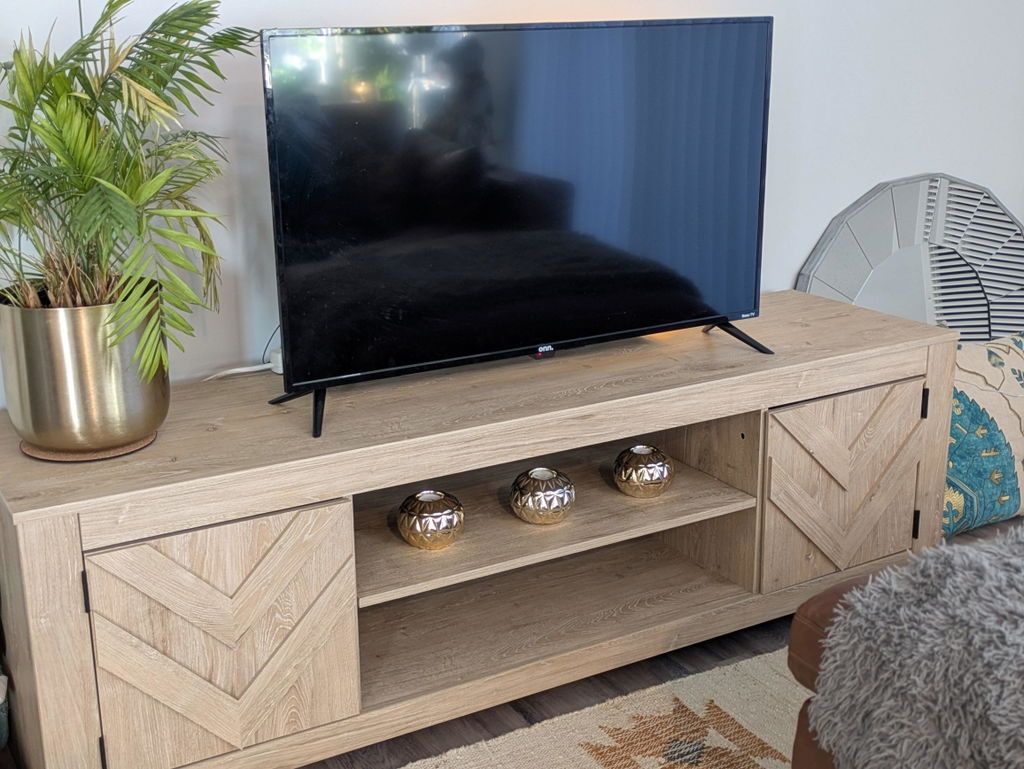
Bookcases, storage ottomans, media consoles, and accent cabinets are some of the best categories to shop because they add function without making a space feel overfurnished. A media console can hold electronics now and later work in a bedroom or entryway. A storage bench can anchor the foot of the bed, sit by the front door, or help define a living area in an open floor plan.
Closed storage is especially helpful if your apartment gets cluttered quickly. Open shelving can look airy and stylish, but it also asks you to keep everything neat. If that is not realistic for your lifestyle, cabinets and drawers are usually the better call.
Vertical storage also deserves more attention. Tall bookcases and slimmer cabinets use wall height instead of floor space, which is often the smartest move in apartments. Just make sure the scale works with your ceilings and that the piece is stable enough for everyday use.
Accent tables and nesting pieces are renter favorites
Some of the most useful furniture in a rental is not the biggest piece in the room. It is the table you can move in ten seconds, the ottoman that becomes extra seating, or the pair of nesting tables that spreads out when company comes over.
Coffee tables with storage are excellent for renters, especially in smaller living rooms where every surface has to earn its place. Lift-top styles can help if you eat or work from the couch. End tables with shelves give you a little more function without taking up much room.
Nesting tables are especially easy to recommend because they solve multiple problems at once. They save space, move easily, and can work separately when needed. The same goes for poufs and smaller ottomans. They are flexible, comfortable, and much easier to carry upstairs than a bulky side chair.
Materials matter more when you move often
Style gets the first click, but materials often determine whether a piece still looks good after a few years and a couple of moves. Renters should pay attention to durability, cleanability, and weight.
Performance fabrics are a smart pick for sofas, sectionals, and upholstered beds, especially if you have kids, pets, or a high-traffic living room. They help everyday spills feel less stressful. Wood-look finishes, textured upholstery, and neutral tones also tend to transition well from one home to another.
Glass can look sleek, but it is not always the most renter-friendly choice if you move frequently. The same goes for extremely delicate finishes that scratch easily. That does not mean avoiding style. It just means choosing materials that give you a little breathing room in real life.
Shop for your next apartment, not just this one
A common mistake is buying furniture that fits one exact wall and one exact layout. The better strategy is to think one move ahead.
Before you buy, check the full dimensions, but also think about how the piece enters and exits the room. Will the sofa fit through a standard doorway? Can the bed frame be taken apart easily? Will the dresser still make sense if your next bedroom is smaller? Those questions save money.
This is also where curated collections and room-ready furniture can help. When pieces are designed to feel cohesive without being too matchy, it is easier to build a home that looks polished now and still works later. Retailers like Dreamee Home appeal to renters for exactly that reason - modern comfort, accessible pricing, and fast nationwide delivery make it easier to furnish quickly without feeling boxed into short-term choices.
The best renter furniture is not furniture that looks temporary. It is furniture that stays useful as your life changes, your lease changes, and your floor plan changes. Buy for comfort, buy for flexibility, and give yourself room to move without starting over every time.