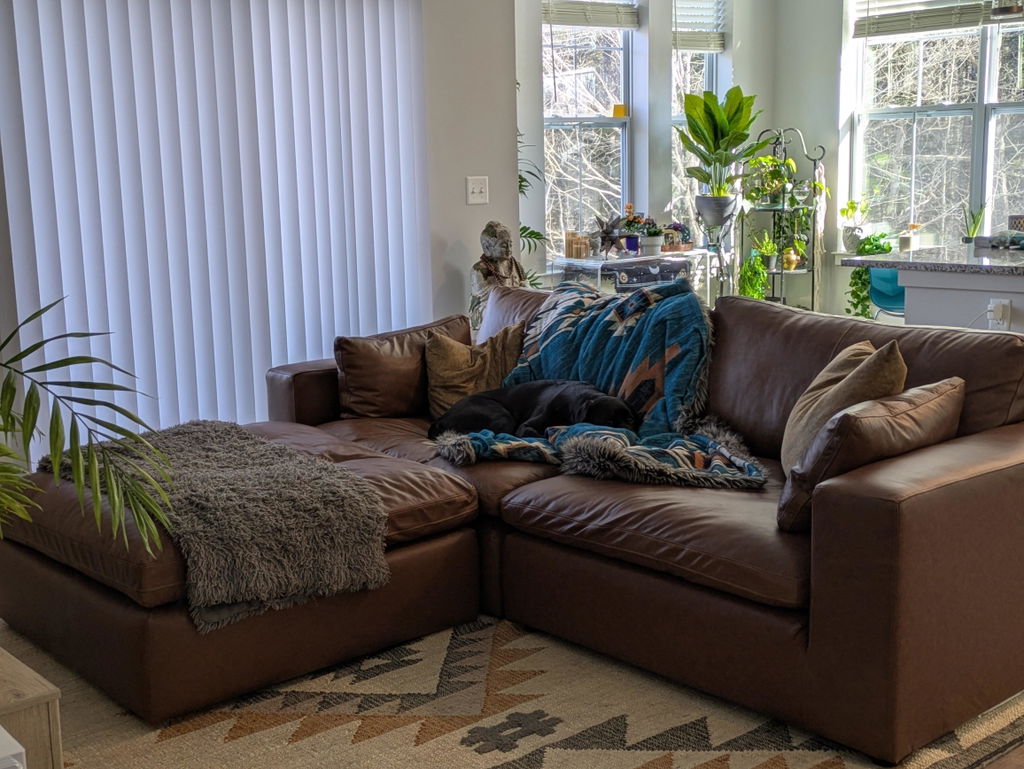

A sofa can look exactly right online and still feel wrong the moment you sit down. That is why the foam versus down cushions question matters far more than most shoppers expect. Cushion fill determines whether your seat feels structured or sink-in soft, how much maintenance it needs, and how well it holds up to movie nights, kids, pets, and everyday lounging.
The better choice is not automatically the softer or more expensive one. It is the one that matches the way your household actually uses the room. Here is how to choose with confidence before your new sectional, cloud couch, or living room set arrives at your door.
Foam Versus Down Cushions: The Core Difference
Foam cushions are built around polyurethane foam, usually wrapped in fiber for a softer finish. The foam density and construction affect the feel, but in general, foam creates a more supportive, tailored seat. It springs back after you stand up and helps a sofa keep clean lines.
Down cushions use soft feathers from ducks or geese, often blended with other fibers or feathers. They create that relaxed, plush feel associated with high-end lounge furniture. A true down-filled cushion lets you sink in more deeply and gives the sofa an inviting, lived-in look.
Many of today’s most comfortable sofas use a combination of materials instead of choosing only one. You may see a foam core wrapped in down and fiber, or a foam-and-fiber blend designed to offer softness without the regular fluffing required by loose down. Always read the cushion construction, not just the product photos. Two sofas described as “plush” can feel completely different in person.
What Foam Feels Like
Foam has a responsive, supportive feel. When you sit, it compresses beneath you but keeps your body closer to the surface of the cushion. This makes it easier to get up, shift positions, or sit comfortably for a longer conversation.
A firmer foam seat can feel more polished and upright, which works beautifully in a formal living room, small apartment, or multipurpose space where the sofa needs to look neat every day. Softer foam can still feel cozy, especially on deep-seat sectionals, but it generally offers more structure than down.
Foam is also a practical pick for households that do not want to reshape cushions constantly. Quality foam will recover its shape well, though all cushions soften somewhat with normal use. Lower-quality foam may develop body impressions or lose support faster, so the details matter.
What Down Feels Like
Down has an unmistakably plush, enveloping feel. It is ideal for the person who wants to curl into the corner of a sectional, lounge through a full Sunday, or create a relaxed space that looks as comfortable as it feels.
The trade-off is maintenance. Down shifts as you sit, so cushions need regular fluffing and rotating to keep their loft and even shape. A sofa with loose down can also feel less predictable from seat to seat. That relaxed softness is part of the appeal, but it is not for everyone.
Pure down is often mixed with feathers for resilience, and feather content can occasionally create a firmer, more textured feel. If you prefer a cloud-like seat without a lot of upkeep, a down-blend or down-wrapped foam cushion is often the sweet spot.
Which Cushion Type Fits Your Everyday Routine?
Start with how you use your sofa, not just the look you want in the room. A couch is one of the hardest-working pieces of furniture in the home, especially when it is the center of family time, entertaining, work-from-home breaks, and late-night streaming.
Foam cushions are usually the easier choice for busy homes. They provide reliable support for daily sitting, hold their form with less attention, and make a room feel pulled together. For a family room, a first apartment, or a living room that does double duty as a home office, foam gives you comfort with fewer chores.
Down cushions are made for people who prioritize a softer, more relaxed lounge experience. If your ideal sofa is somewhere to stretch out, nap, and sink in after work, down may be worth the extra care. It can be especially appealing on a generously sized cloud couch or deep modular sectional where casual comfort is the whole point.
For many homes, hybrid cushions offer the most balanced answer. A supportive foam core keeps the seat from collapsing, while a down or fiber wrap adds that plush top layer. You get a softer first impression without giving up the everyday structure that makes a sofa easy to live with.
Support, Appearance, and Maintenance Compared
The biggest advantage of foam is consistency. Its shape rebounds after use, helping seat cushions look more even from one day to the next. Foam is also typically better for shoppers who want a supportive sit or who find very soft furniture difficult to rise from.
Down wins on softness and visual ease. It creates the kind of slightly rumpled, inviting sofa that makes a room feel instantly welcoming. But down does not naturally return to a perfectly smooth shape. Expect to fluff the cushions by hand, redistribute the fill, and rotate them regularly if the cushion design allows it.
Neither material is maintenance-free. Foam cushions benefit from rotation, especially on the favorite seat in a sectional. Down cushions simply ask for more frequent attention. If a sofa will be used heavily by children, pets, or frequent guests, ask yourself honestly whether you will enjoy the fluffing routine a few times each week.
It is also worth thinking about appearance over time. Tailored contemporary sofas often pair naturally with foam because the upholstery stays crisp. Deep-seat, oversized, and casual designs can look great with down because a softer silhouette supports the relaxed style. Your cushion fill should work with the look you want to maintain, not fight it.
Cost and Value: Look Beyond the First Price
Down often costs more than standard foam because it is a premium natural fill and requires more upkeep in the long run. That does not mean it is automatically the best value. A sofa that suits your lifestyle will feel like a better investment than one with premium materials that becomes frustrating to maintain.
Foam pricing varies widely based on density, quality, and construction. Higher-density foam is generally more durable and supportive than lower-density foam, but density is not the same as firmness. A high-quality cushion can be dense enough for longevity while still offering a comfortable, softer sit.
When comparing sofas, look for clear language around the cushion build. Terms such as high-resiliency foam, pocket coils, fiber wrap, down blend, or down-wrapped foam tell you more than broad words like “comfortable” or “luxury.” Product dimensions matter, too. Seat depth and seat height can change how plush or supportive the same cushion fill feels.
Questions to Ask Before You Buy
Before choosing between foam and down, picture a normal week in your home. Who uses the sofa most? Do you prefer to sit upright or lounge low and deep? Will the sofa be the polished centerpiece of your living room, or should it invite everyone to pile on?
Also consider allergies and sensitivities. Down may not be the right fit for every household, although quality down products are typically cleaned and processed. If you have concerns, a foam-and-fiber cushion can deliver softness without natural feather fill.
If you are shopping online, do not hesitate to use the available product details and customer support to clarify what is inside the cushions. Ask whether the back cushions are removable, whether seat cushions are reversible, and whether the manufacturer recommends regular fluffing. Those details make a real difference after delivery day.
The Best Choice for Your Space
Choose foam if you want dependable support, a neater appearance, and cushions that require less daily attention. It is a strong match for family rooms, apartments, active homes, and shoppers who like a more structured sit.
Choose down if your top priority is sink-in softness and an effortlessly relaxed look. It is a beautiful fit for a lounge-first living room, provided you are comfortable fluffing and reshaping the cushions as part of regular care.
Choose a foam-and-down or foam-and-fiber blend if you want the best middle ground. This construction is especially popular for modern sectionals because it delivers the plush comfort people love without sacrificing all the support they need.
Your sofa should make everyday life feel easier, not give you another thing to manage. Whether you prefer the supportive bounce of foam or the laid-back softness of down, choose the cushion feel that makes you want to stay awhile - then build the room around it.